
What Factors Affect the Cost of a Drilling Rig?
November 18, 2026
Drilling rig prices vary enormously -- from a compact tractor-mounted water well rig to a heavy track-mounted DTH rig built for 24/7 mining duty. There is no single sticker price because a rig is engineered around the job, not sold off a shelf.
Instead of quoting a number that would be wrong for almost every buyer, this guide walks through the specific factors that actually move a drilling rig's price up or down, so you can budget intelligently before requesting a quote.
Why Drilling Rig Prices Aren't Published Online
Unlike a car or a laptop, a drilling rig is a configured industrial machine. Depth capacity, drill string size, mounting type, power pack, and automation level all change independently of each other, and each change moves the cost. A manufacturer who lists "starting at" prices online is usually describing the cheapest possible configuration, which rarely matches what a real project needs. Reputable manufacturers quote per enquiry, after understanding the application, so the number you receive reflects the rig you will actually operate.
Key Factors That Determine Drilling Rig Cost
1. Drilling Method and Rig Type
A rotary rig, a DTH (down-the-hole) rig, and a core drilling rig are built around different mechanisms, and the cost structure follows the complexity. DTH rigs need a compressor package and hammer-compatible components, which adds cost over a comparable rotary rig, but often reduces drilling time in hard rock -- lowering the project's total cost even if the rig itself costs more upfront.
2. Depth and Hole Diameter Capacity
Rigs rated for deeper holes need stronger masts, more powerful hydraulics, and longer or additional drill rods, all of which raise material and engineering cost. A rig built to drill 300 metres costs more than one built for 150 metres, even within the same product series.
3. Mounting Configuration
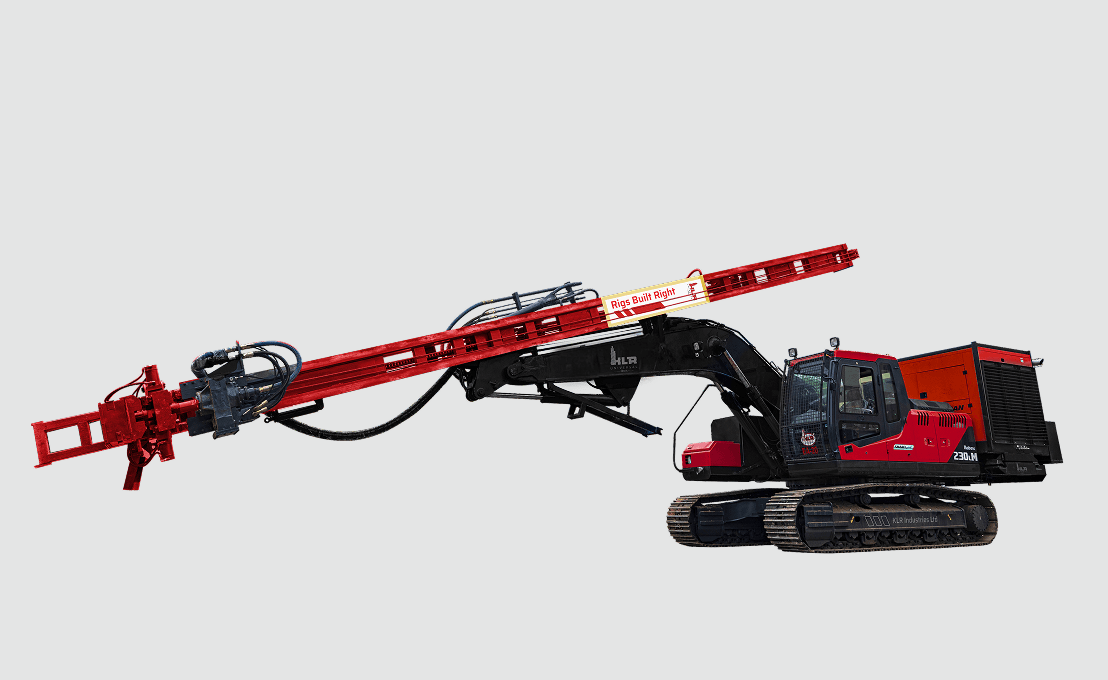
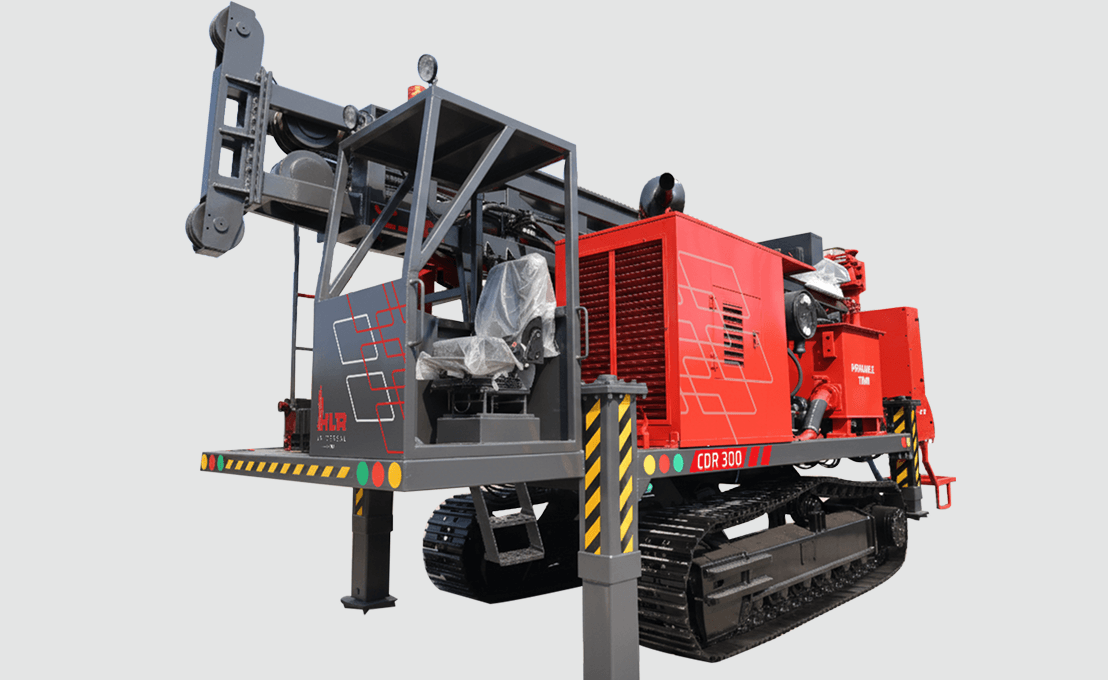
Truck-mounted, tractor-mounted, crawler/track-mounted, and skid-mounted rigs each carry a different base cost. Track-mounted rigs typically cost more than truck-mounted equivalents because of the undercarriage, but they access terrain a truck cannot reach -- a tradeoff worth discussing with your supplier before deciding.
4. Power Pack and Engine Rating
Engine horsepower, compressor CFM rating, and hydraulic pump capacity are selected to match the rig's duty cycle. A rig spec'd for continuous mining operation needs a larger, more durable power pack than one built for occasional water well work, and the price reflects that difference.
5. Automation and Operator Comfort Features
Features like automatic rod handling, enclosed and air-conditioned cabins, remote monitoring, and advanced control panels add cost but reduce operator fatigue and improve consistency across long shifts -- a factor that matters most for crews running multiple shifts per day.
6. Application and Site Conditions
Rock hardness, groundwater depth, access terrain, and ambient temperature all influence which components the rig needs to perform reliably. A rig destined for abrasive hard rock in a remote site is specified differently -- and priced differently -- than one for soft-soil water well drilling near a road.
7. After-Sales Support and Spare Parts Network
The quoted price of a rig is only part of its lifetime cost. A manufacturer with a strong after-sales network and readily available spares keeps downtime -- and the real cost of ownership -- low over the rig's working life.
| Factor | Impact on Cost | Why It Matters |
|---|---|---|
| Drilling method (rotary/DTH/core) | Moderate to High | Different mechanisms, components, and compressor needs |
| Depth/diameter capacity | High | Stronger mast, hydraulics, and longer rod strings |
| Mounting type | Moderate | Undercarriage and chassis engineering differ by type |
| Power pack rating | Moderate | Sized to duty cycle and application |
| Automation level | Low to Moderate | Rod handling, cabin comfort, remote monitoring |
| After-sales support | Ongoing (not upfront) | Determines total cost of ownership over the rig's life |
How to Get an Accurate Quote
Because every factor above interacts with the others, the fastest way to a realistic number is to describe your actual project to a manufacturer: target depth, rock or soil type, expected daily output, and site access. A rig builder who asks these questions before quoting is giving you a price for the machine you need, not a generic one.
- Define the application: water well, mining, construction, or exploration.
- Confirm target depth and hole diameter.
- Describe the ground conditions at the drill site.
- Decide on mounting type based on site access.
- Ask about after-sales support and spare parts lead time before comparing quotes.
KLR Universal: Rigs Built Around Your Project, Not a Catalogue
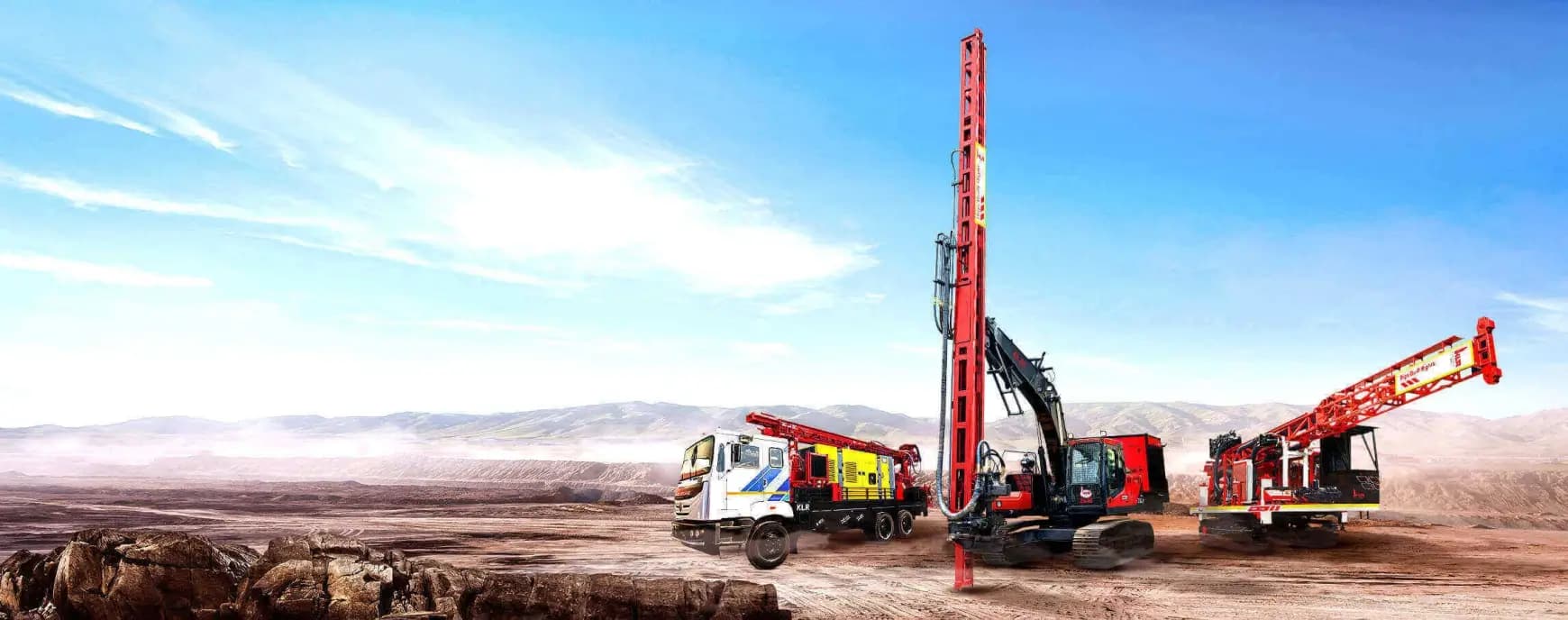
KLR Universal is a trusted drilling rigs manufacturer in India, building rotary, DTH, and core drilling rigs since 1984. Because every rig we build is configured to the customer's depth, terrain, and application, we quote per enquiry rather than publishing a generic price list -- the same principle this guide has walked through.
With ISO 9001:2015 certification and more than 4,500 projects delivered across 60+ countries, our team can help you specify the right configuration before you request pricing. Contact KLR Universal to discuss your project and get an accurate quote.