
Borewell Drilling Rigs: Types and How to Choose One
November 21, 2026
A borewell drilling rig bores a narrow, deep hole into the ground to access groundwater, the backbone of drinking water, irrigation, and industrial supply across much of India. Choosing the wrong rig for your soil and depth means stalled projects and blown budgets.
This guide covers what a borewell drilling rig is, the main types in use today, and the questions to ask before buying or renting one.
What Is a Borewell Drilling Rig?
A borewell drilling rig is a machine that bores a narrow vertical hole -- typically 100 to 300mm in diameter -- down to an aquifer, then allows a submersible pump and casing pipe to be installed for long-term water extraction. Unlike open wells, borewells can reach aquifers hundreds of metres deep, making them the standard choice for reliable groundwater access in both rural and urban India.
Types of Borewell Drilling Rigs
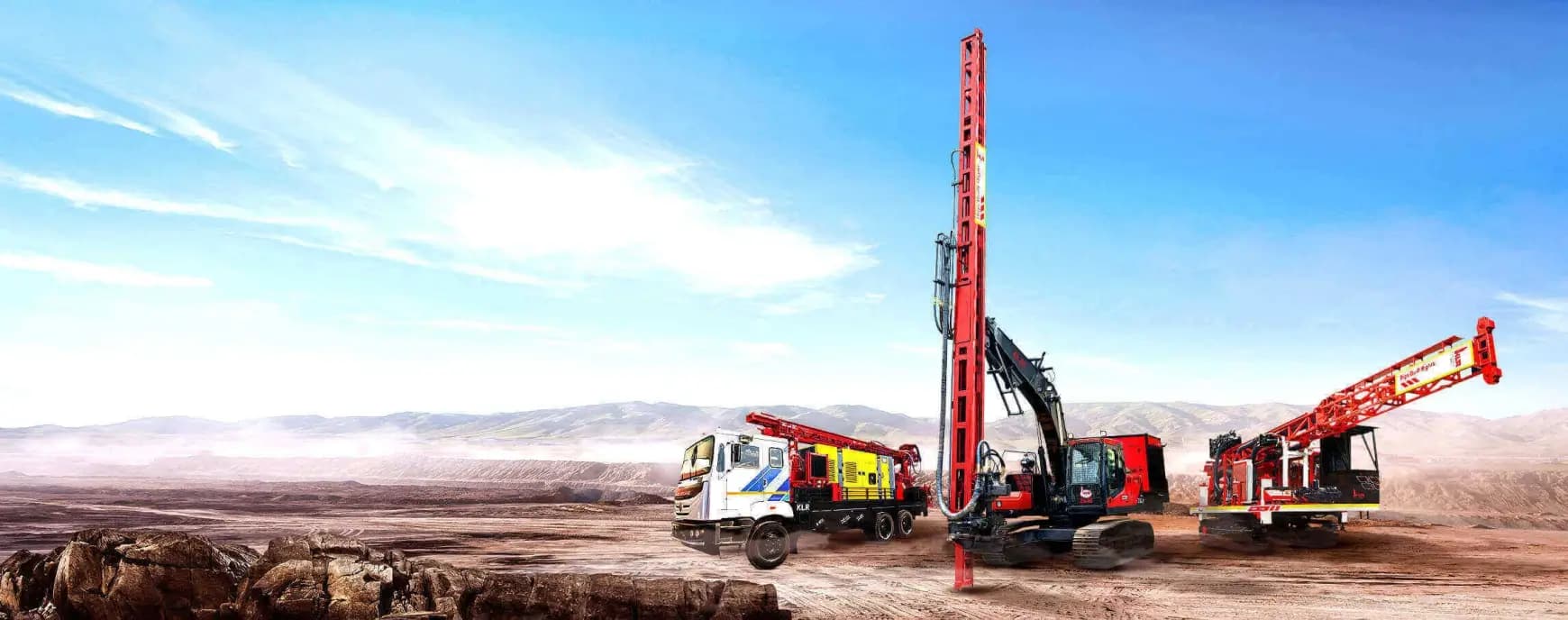
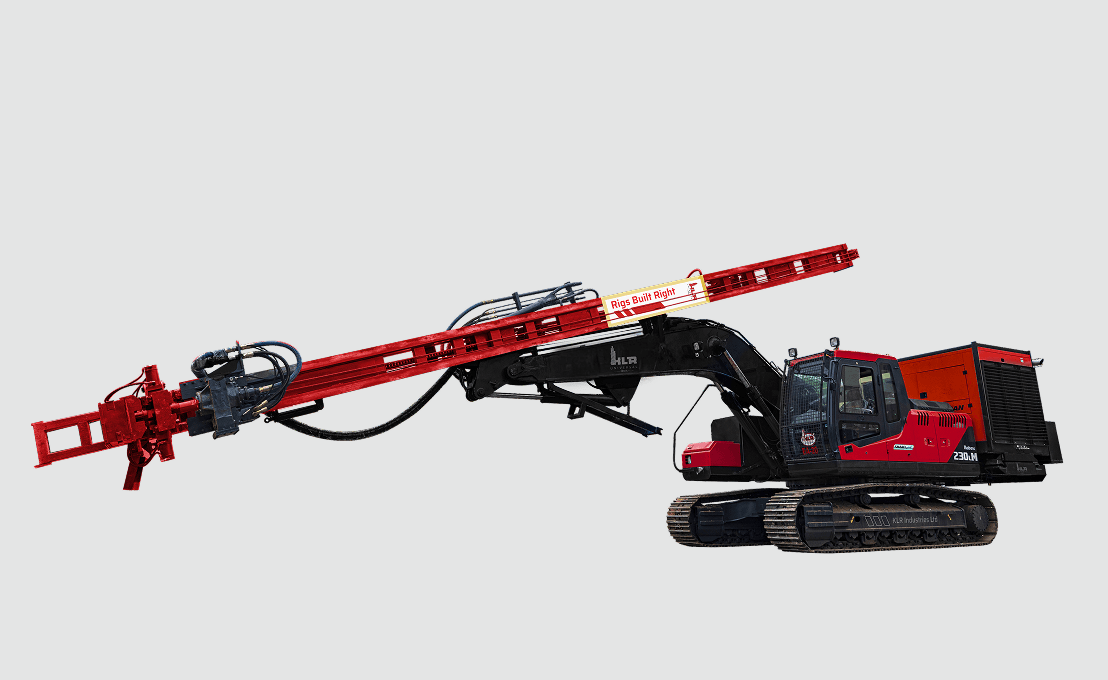
DTH (Down-the-Hole) Borewell Rigs
DTH rigs drive a percussive hammer directly behind the drill bit, powered by compressed air. This makes them the preferred choice for hard rock terrain -- granite, basalt, and similar formations common across the Deccan plateau and much of peninsular India -- where a rotary bit alone would struggle.
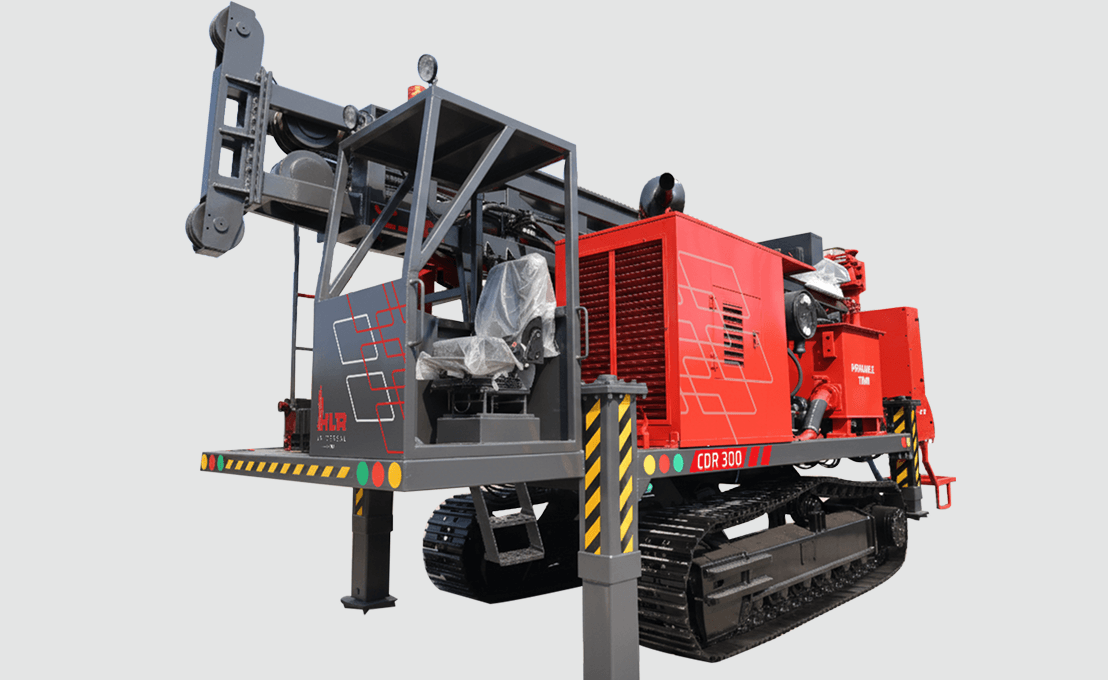
Rotary Borewell Rigs
Rotary rigs rotate the drill string and bit directly, cutting through soil and softer rock formations. They are well suited to alluvial and sedimentary ground, and are often favoured where the overburden is thick before hard rock is reached.
DTH-cum-Rotary (Multipurpose) Borewell Rigs
Many Indian drilling contractors work across varied geology within the same district, so multipurpose rigs that switch between DTH and rotary drilling on the same chassis have become popular. One rig handles both the soft overburden and the hard rock beneath it, without needing two separate machines.
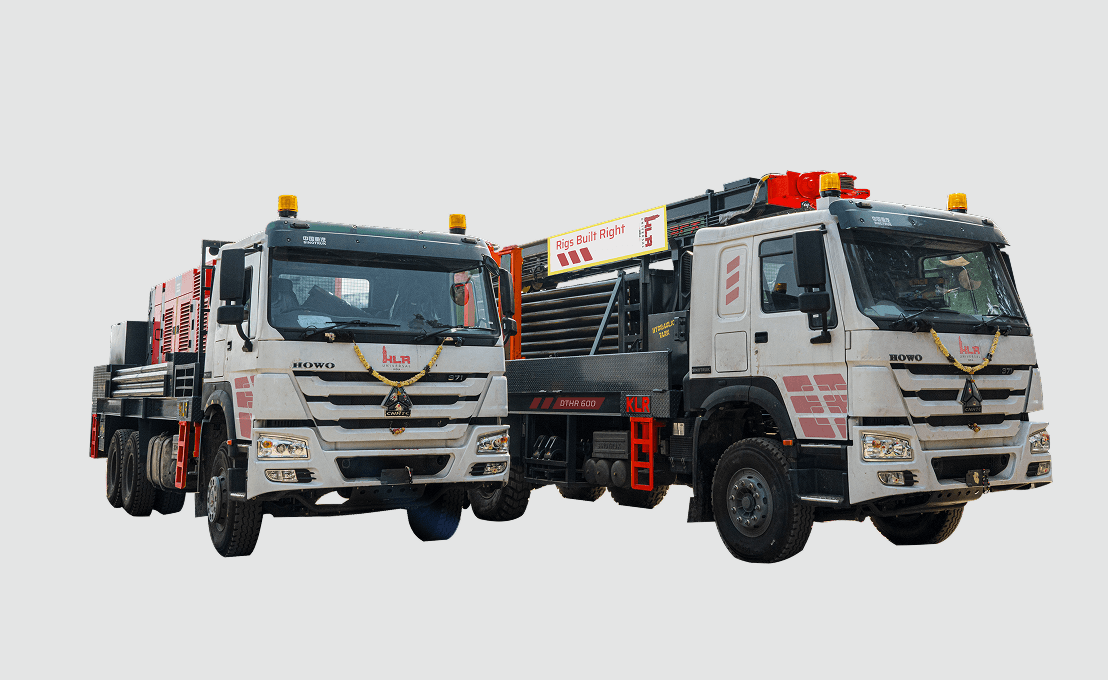
Mounting Options: Truck, Tractor, and Trailer
Borewell rigs are commonly mounted on trucks for highway mobility between sites, on tractors for smaller operators working rural and agricultural land, or on trailers that can be towed by a separate vehicle. The right choice depends on how often the rig needs to relocate and the road conditions it will travel.
| Rig Type | Best Ground Conditions | Typical Use Case |
|---|---|---|
| DTH Borewell Rig | Hard rock (granite, basalt) | Deep borewells in rocky terrain |
| Rotary Borewell Rig | Soil, sand, soft sedimentary rock | Shallow to moderate-depth wells in alluvial areas |
| DTH-cum-Rotary Rig | Mixed geology | Contractors working multiple sites with varied ground |
| Tractor-mounted Rig | Any (terrain-dependent) | Agricultural and rural borewell drilling |
| Truck-mounted Rig | Any (terrain-dependent) | Frequent relocation between urban or commercial sites |
How to Choose the Right Borewell Drilling Rig
Start with the geology, not the brand. The dominant rock type at your typical drill sites determines whether you need a DTH rig, a rotary rig, or a multipurpose machine more than any other single factor.
- Identify the soil and rock type across the areas you drill most often.
- Estimate the typical borewell depth and diameter required.
- Decide on mounting type based on site access and relocation frequency.
- Check the manufacturer's compressor and hydraulic specifications against your target depth.
- Confirm spare parts and service availability in your operating region before buying.
Common Mistakes When Buying a Borewell Rig
- Buying a rotary-only rig for a region with unpredictable hard rock pockets.
- Underestimating compressor CFM needed for the target depth, leading to slow penetration rates.
- Choosing mounting type based on price alone, without checking site access.
- Ignoring after-sales support availability, which matters most when a rig breaks down mid-project.
KLR Universal: Borewell Rigs Built for Indian Ground Conditions
KLR Universal has manufactured water well drilling rigs since 1984, including DTH, rotary, and multipurpose borewell rigs engineered for the hard rock and mixed geology found across India and 60+ other countries.
Every rig is built in-house to ISO 9001:2015 standards, backed by dedicated after-sales support. Contact KLR Universal to discuss the right borewell rig configuration for your ground conditions.