
Rock Drill Bits: Types, How They Work, and What Affects Cost
October 10, 2026
A rock drill bit is the tool at the end of a drill string that actually breaks or cuts the rock — everything else on a rig (mast, rotary head, compressor) exists to deliver power to this one component. Bit choice has a direct effect on penetration rate, hole quality and how often the bit itself needs replacing.
The Two Main Bit Families
DTH (Percussion) Bits
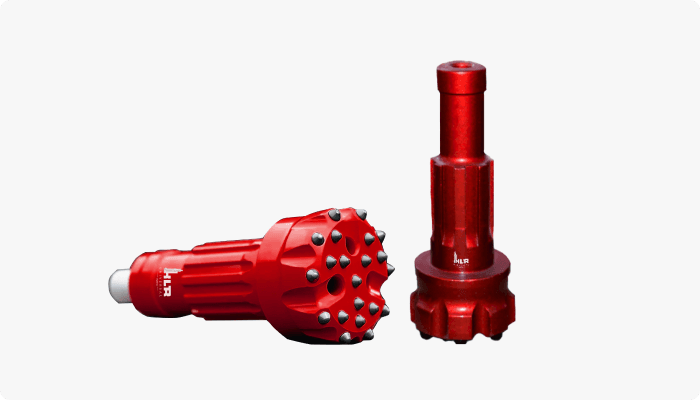
DTH bits sit inside a Down-the-Hole hammer and break rock through repeated impact rather than cutting rotation. KLR DTH Bits are matched to a formation's compressive strength and abrasiveness, with carbide imprinting on the buttons to extend wear life and keep cost per metre drilled down.
Rotary Bits — Tricone, Drag and Claw
Rotary bits cut as the drill string turns, rather than through impact. KLR's rotary range covers tricone bits (precision bearings and shirttail protection for high penetration rates), drag bits (carbide imprinting and heat treatment for tougher formations), and claw bits (customisable carbide patterns for a range of drilling tasks).
What Affects a Rock Drill Bit's Price?
Bit pricing isn't a single number — it moves with diameter, carbide grade and button count, body material, and how closely the bit needs to be matched to a specific rock formation. A bit built for soft, consistent ground costs less than one engineered for hard, abrasive, mixed strata, even at the same diameter.
Because of that, KLR Universal configures bits to the job rather than selling off a fixed price list — get in touch with your formation type, hole diameter and drilling method, and the team will quote accordingly.
Choosing the Right Bit
The short version: match the bit family to the drilling method already in use (DTH hammer → DTH bit, rotary rig → tricone/drag/claw), then match the carbide spec to the actual rock being drilled. Getting this match right affects penetration rate and bit life far more than price alone.