
How Efficient Rock Drilling Impacts Blasting and Fragmentation
April 21, 2026
In quarrying and mining, good blasting starts long before explosives go into the ground. It starts with rock drilling. Accurate drilling determines how well explosives spread their energy through the rock. That, in turn, shapes fragment size, safety, and productivity.
Efficient blasting drilling makes sure blast holes sit in the right place, at the right depth, and aligned to the blast design. When drilling parameters are well controlled, the explosion produces uniform fragments. Those uniform fragments are easier to handle later, in crushing and hauling. This is why modern Quarrying Drill Rigs are built for precision, stability, and consistent penetration. Manufacturers like KLR Universal focus on engineering drilling systems that deliver these results in demanding quarry and mining environments.
The Connection Between Rock Drilling and Blasting Performance
Blasting success begins with drilling accuracy. The quality of each drilled hole determines how explosives interact with the rock mass and how energy is distributed during detonation.
In a typical quarry workflow, the sequence follows a clear chain:
Drill → Charge → Blast → Crush
If rock drilling is inaccurate, everything after it becomes less predictable. Misaligned holes can disrupt the explosive pattern. That leads to uneven fragmentation and safety risks.
Key impacts of poor drilling include:
- Uneven burden and spacing between blast holes
- Inconsistent explosive energy distribution
- Reduced control over the blast face
- Increased fly rock or vibration risks
Precise blasting drilling keeps every hole on the planned pattern. This consistency supports a well-designed blast and improves fragmentation quality across the whole quarry bench.
Understanding Blast Hole Drilling in Quarry Operations
Blast hole drilling creates the holes where explosives will later go. These holes must meet exact specifications for the blast to perform well.
A blast hole drilling machine, or blasthole driller, does this by penetrating rock with rotary or percussive methods. The goal: straight, uniform holes that match the engineers' design.
Important factors in blast hole drilling include:
- Hole straightness to maintain consistent explosive distribution
- Correct hole depth to ensure complete rock breakage
- Uniform diameter to support proper explosive loading
A precise drill hole lays the foundation for controlled blasting. A consistent drill pattern lets explosives fragment rock evenly, instead of breaking it unpredictably.
Different drilling techniques suit different rock hardness and quarry conditions. Picking the right method ensures the blast design performs at its best.
Key Drilling Parameters That Influence Fragmentation
Several drilling parameters directly shape how blasting fragments the rock. Left uncontrolled, they can sharply cut blasting efficiency.
Key parameters include:
- Hole diameter – Determines explosive volume and energy distribution
- Hole depth – Ensures complete breakage of the rock bench
- Burden and spacing – Controls how energy spreads through the rock
- Hole deviation – Affects the alignment of blast holes
- Air pressure and penetration rate – Influence drilling efficiency and hole quality
Incorrect drilling parameters can cause several problems:
- Oversized boulders that require secondary blasting
- Excess fines that reduce aggregate value
- Increased operational costs and delays
A simplified comparison highlights the impact:
| Drilling Parameter | Poor Control Result | Optimized Result |
|---|---|---|
| Hole Depth | Underbreak | Uniform bench face |
| Hole Deviation | Fly rock risk | Controlled blast |
| Burden Spacing | Oversized fragments | Ideal rock size |
| Hole Diameter | Uneven energy | Balanced fragmentation |
Optimizing these drilling methods improves blast efficiency and ensures consistent rock fragmentation.
Rock Drill Bit Selection and Its Impact on Blast Efficiency
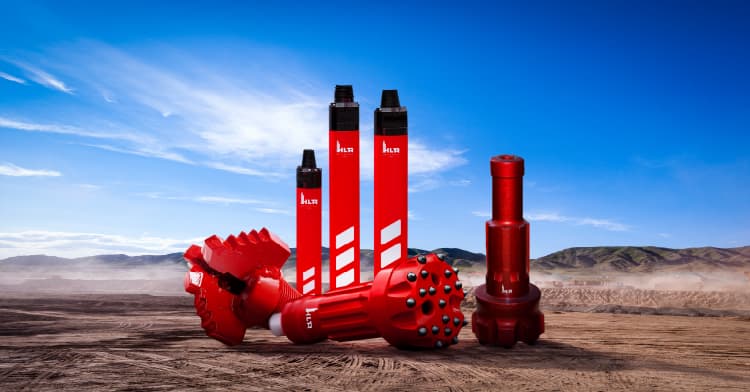
The rock drill bit is one of the most critical parts in any drilling operation. It's the part that touches the rock, and it determines how well the system penetrates the formation.
Choosing the correct bit affects:
- Penetration rate
- Hole straightness
- Energy transfer efficiency
A worn or poorly chosen bit can cause hole deviation and inefficient drilling. Drill with a damaged bit, and the resulting hole may not line up with the intended blast design.
Matching bit type to rock hardness and drilling method matters. Different drilling techniques need specific bit designs to perform at their best.
How Quarrying Drill Rigs Improve Blast Hole Accuracy
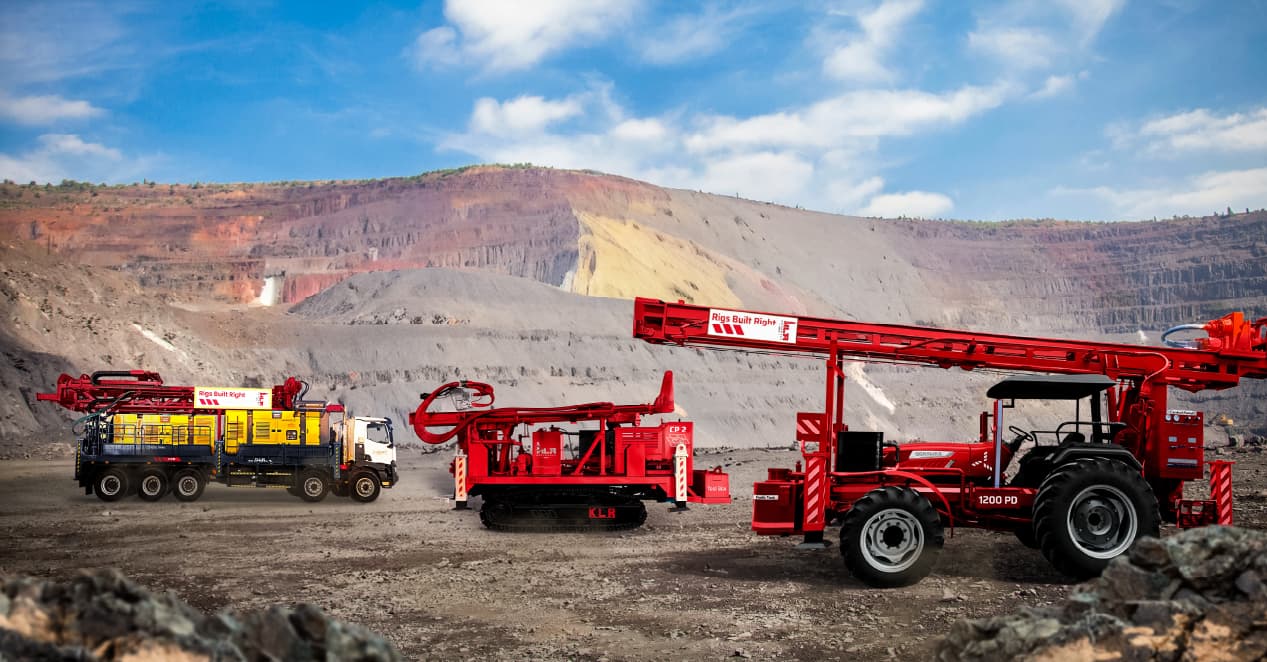
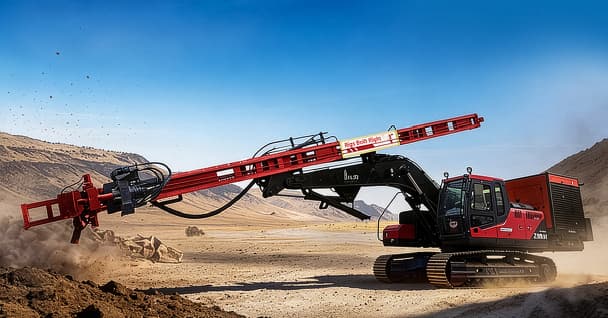
Modern Quarrying Drill Rigs play a key role in accurate blast hole drilling. They're engineered to hold drilling precision even under demanding conditions.
Key features that improve drilling accuracy include:
- High structural stability during drilling
- Powerful rotary torque for hard rock penetration
- Automated alignment systems
- Reduced vibration during drilling
- Consistent penetration rates
By keeping drilling parameters consistent, advanced rigs cut the need for corrective drilling and improve overall blasting efficiency. Manufacturers like KLR Universal design their systems to deliver exactly this, for quarry and mining operations.
The Role of Rock Drilling Techniques in Controlled Fragmentation
Different rock drilling techniques influence how explosives interact with the rock mass during blasting.
Two primary drilling methods are commonly used:
- Rotary drilling, which uses continuous rotation to penetrate rock
- Percussion drilling, which combines impact force with rotation
Each method has advantages depending on rock type and drilling conditions.
Precise drilling patterns also shape blast design. Proper hole spacing and alignment keep energy transfer consistent during detonation. This precision helps minimise overbreak and produce uniform fragments.
An effective process can be visualized through the sequence:
Drill Hole Accuracy → Charge Placement → Controlled Explosion → Fragment Size → Crusher Efficiency
This chain highlights how drilling quality directly affects downstream productivity.
Impact of Efficient Drilling on Downstream Crushing and Productivity
Fragment size from blasting has a big impact on crushing efficiency. Done right, rock drilling and blasting produce fragments within an ideal size range.
Benefits of optimized fragmentation include:
- Reduced need for secondary blasting
- Improved crusher throughput
- Lower fuel consumption for hauling and crushing
- Faster overall quarry production cycles
Efficient blasting drilling ultimately lifts productivity across the whole operation. Consistent fragmentation means fewer delays and better material handling.
Common Drilling Mistakes That Lead to Poor Fragmentation
Several operational mistakes during drilling can negatively impact blast performance.
Common issues include:
- Incorrect hole angle
- Failure to replace worn rock drill bit tools
- Poor bench preparation before drilling
- Inconsistent drilling parameters
- Use of poorly maintained blast hole drilling machines
Even small drilling deviations can disrupt the whole blasting process. Good drilling practice keeps blast outcomes consistent.
Why Efficient Rock Drilling is the Foundation of Successful Blasting
Effective blasting begins with precise rock drilling. Accurate drill holes, proper drilling parameters, and reliable equipment form the foundation of a successful blast design.
Well-executed drilling leads to controlled fragmentation. That improves crushing efficiency and overall productivity. This connected process shows why advanced Quarrying Drill Rigs, built for precision and reliability, matter so much.
Why Choose KLR Universal for High-Performance Quarrying Drill Rigs
KLR Universal develops drilling systems engineered for high-performance quarry and mining operations. Their rigs combine precision drilling, strong penetration, and the durability demanding environments require.
Key strengths include:
- Engineering precision for accurate rock drilling
- Reliable performance in blast hole drilling operations
- Advanced drilling systems designed for quarry productivity
- Global presence with strong research and development support
For operations that want better drilling accuracy and blast efficiency, KLR Universal's modern Quarrying Drill Rigs offer a dependable solution.