
Blast Hole Drilling Rigs: Types and How They Work
November 25, 2026
Before a single charge is loaded, a mining or quarrying operation drills hundreds of precisely placed blast holes. The rig used for this job -- and how well it is matched to the rock -- directly affects fragmentation quality, blasting cost, and crew safety.
This guide explains what blast hole drilling rigs are, the main types used in mining and quarrying, and how to match a rig to your blast design.
What Is a Blast Hole Drilling Rig?
A blast hole drilling rig bores a pattern of vertical or angled holes into rock, to a planned depth and diameter, so that explosives can be loaded for controlled blasting. The accuracy of hole placement, depth, and angle has a direct, measurable effect on how evenly the rock fragments once blasted -- which in turn affects loading, hauling, and crushing costs downstream.
Types of Blast Hole Drilling Rigs
DTH Blast Hole Rigs
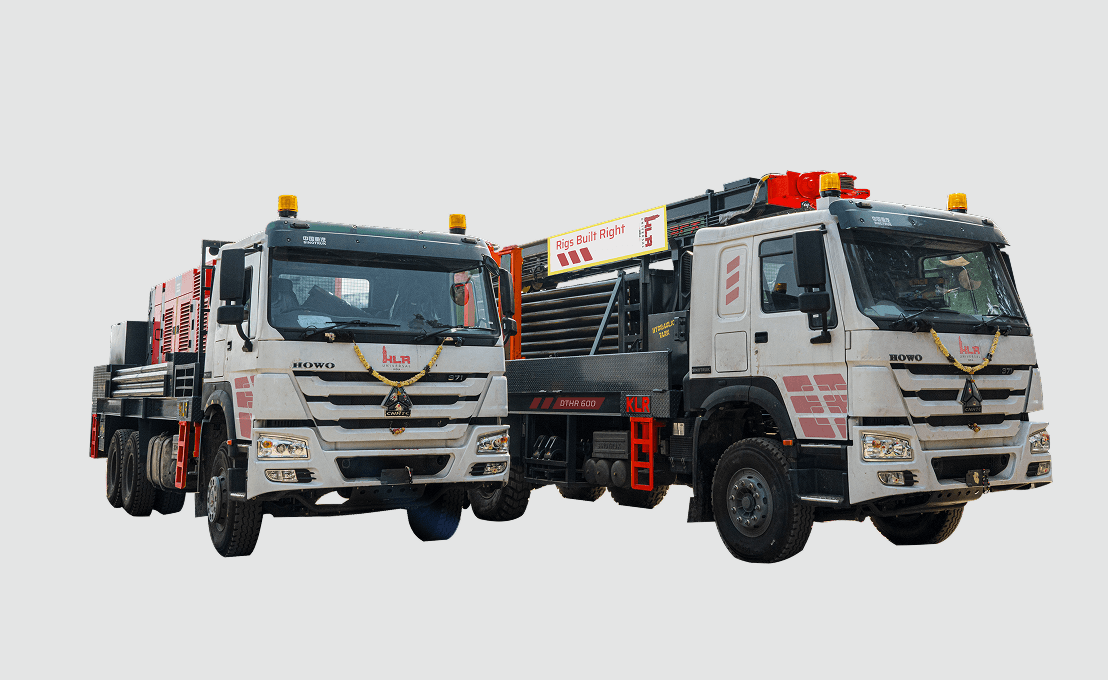
DTH (down-the-hole) rigs drive the hammer directly behind the bit, keeping drilling energy concentrated at the rock face regardless of hole depth. This makes DTH the standard choice for larger-diameter blast holes in hard rock, where straight, consistent holes matter most for even fragmentation.
Top Hammer Blast Hole Rigs
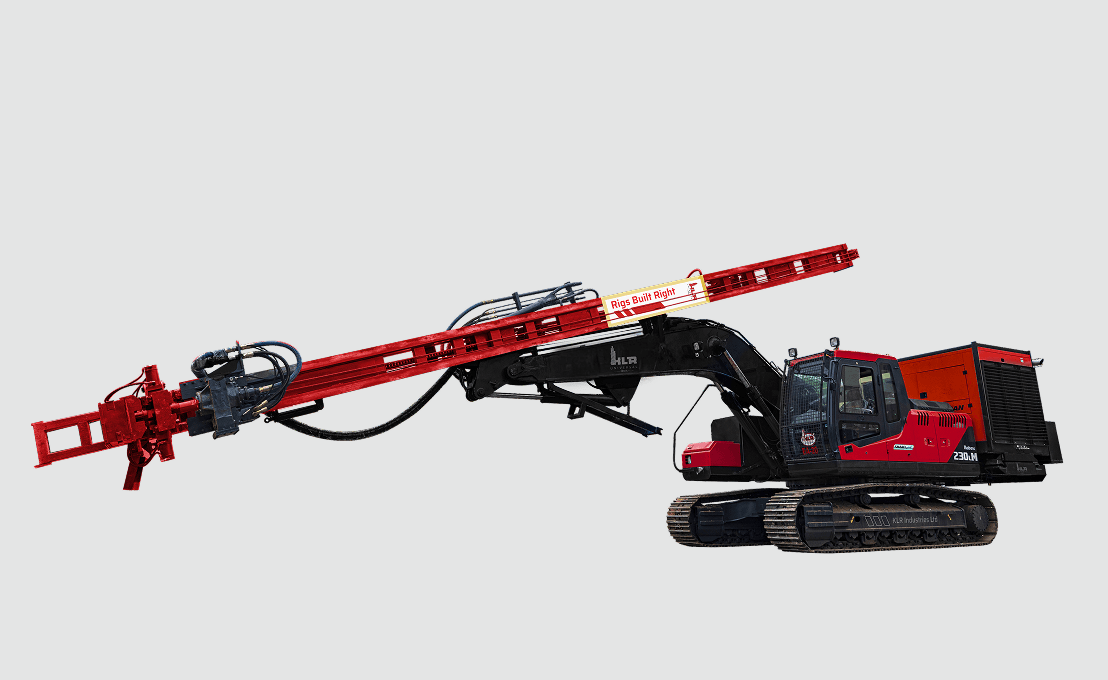
Top hammer rigs generate percussion at the surface and transmit it down the drill string to the bit. They typically drill faster in smaller-diameter holes and shallower benches, making them popular for quarrying and smaller-scale mining operations.
Rotary Blast Hole Rigs
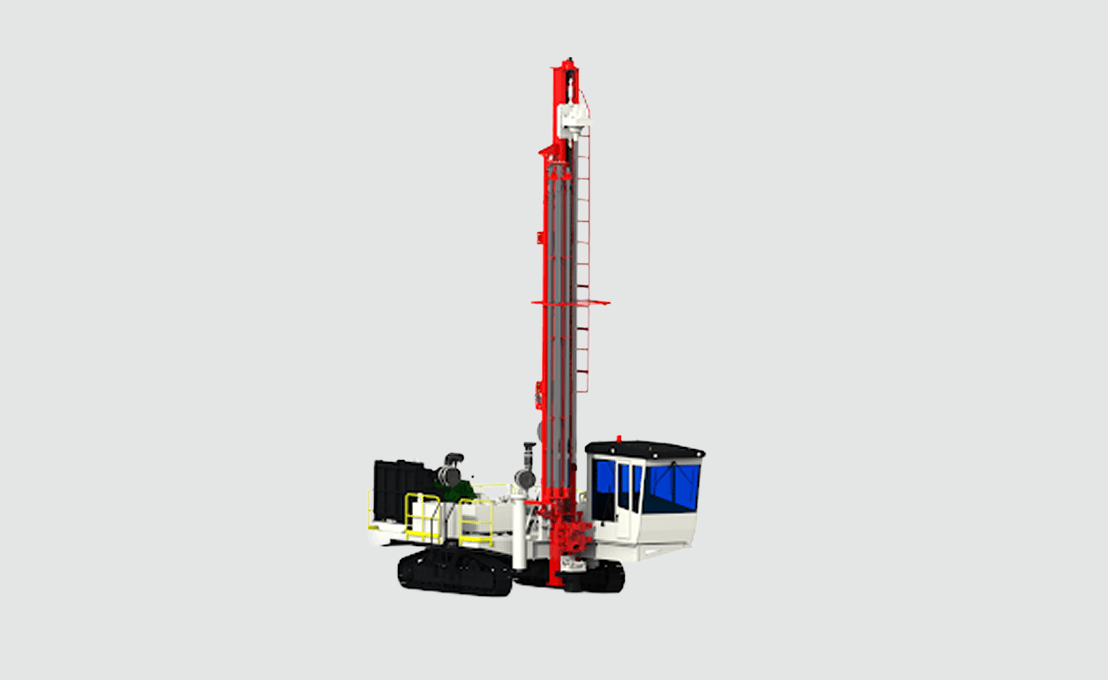
Large rotary rigs, often used in open-pit mining, rely on bit rotation and downward pressure rather than percussion. They are suited to large-diameter holes in bulk mining operations where production volume matters more than the finesse of a smaller blast pattern.
| Rig Type | Typical Hole Diameter | Best Suited For |
|---|---|---|
| DTH Blast Hole Rig | Medium to large | Hard rock mining with deep, consistent blast holes |
| Top Hammer Rig | Small to medium | Quarrying and shallow bench mining |
| Rotary Blast Hole Rig | Large | High-volume open-pit mining |
How Blast Hole Drilling Affects Fragmentation
Fragmentation quality depends on hole spacing, depth accuracy, and angle consistency -- all a function of the drilling rig, not just the explosive charge. A rig that drills off-angle or inconsistent-depth holes produces uneven fragmentation, leading to oversize boulders that slow down loading and crushing, or undersize fragments that waste blasting energy.
- Consistent hole depth keeps the powder column and stemming ratio uniform across the blast pattern.
- Accurate hole angle keeps burden and spacing as designed, avoiding uneven stress distribution.
- Straight holes reduce the risk of holes intersecting, which can cause charge loss or misfires.
Choosing a Blast Hole Rig for Your Operation
- Match rig type to your typical rock hardness and bench height.
- Confirm the hole diameter range your blast design actually requires.
- Check the rig's drilling accuracy specifications, not just its production rate.
- Consider mounting (crawler/track-mounted is standard for most mining and quarry sites).
- Evaluate after-sales support, since downtime on a blast hole rig directly delays production blasting.
KLR Universal: Blast Hole Rigs for Mining and Quarrying
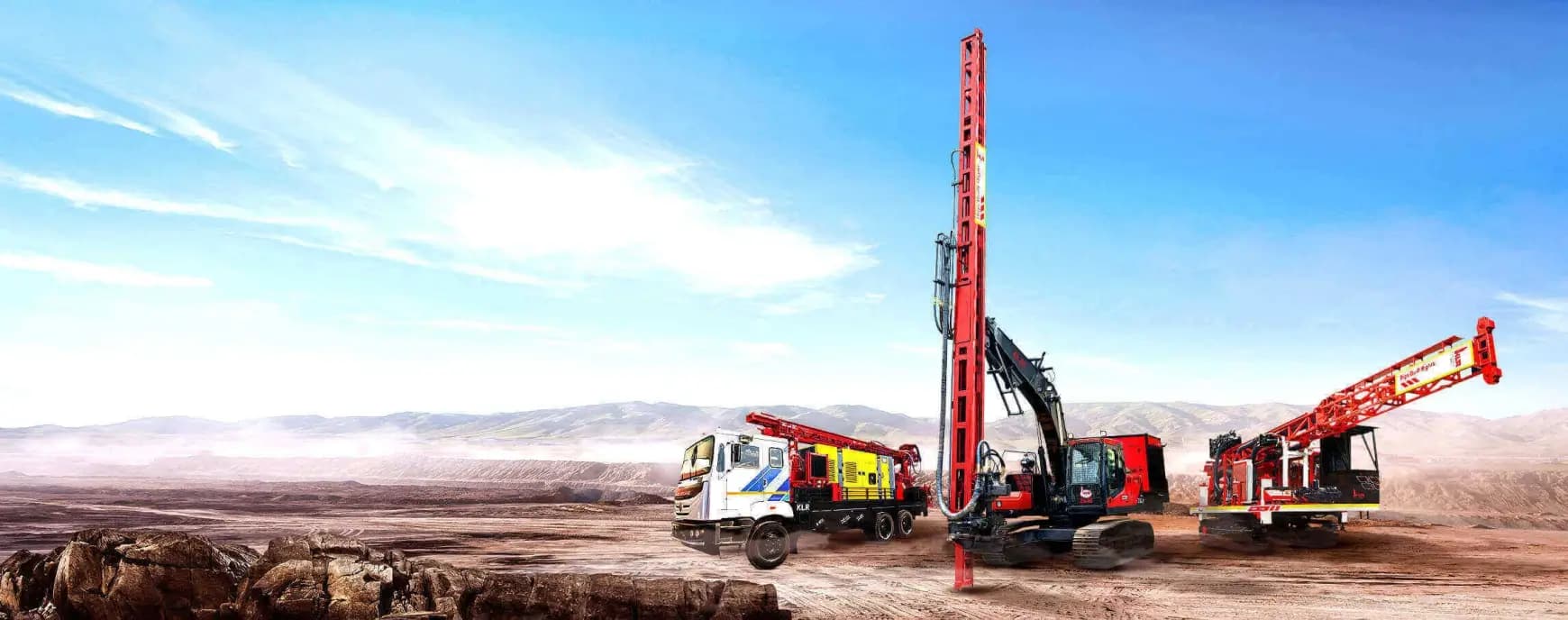
KLR Universal manufactures DTH and rotary rigs for surface mining applications, including blast hole drilling, built since 1984 for the accuracy and durability that consistent fragmentation requires.
Backed by ISO 9001:2015 certification and over 4,500 projects across 60+ countries, our engineering team can help match a rig to your bench height, rock type, and blast design. Contact KLR Universal to discuss your blast hole drilling requirements.