
Choosing Between Rotary and Auger Drill Rigs for Your Project
May 5, 2026
In construction, civil engineering, and geotechnical projects, the drilling method selected for a project directly influences drilling speed, borehole quality, operational cost, and overall project efficiency. Whether the application involves piling, foundation work, soil investigation, or borewell construction, choosing the right drilling system is essential for achieving accurate and reliable results.
Among the most widely used methods are rotary drilling and auger drilling. Both rely on rotational force as the primary drilling mechanism, yet they differ significantly in terms of tooling, cuttings removal, depth capability, and formation suitability. An incorrect choice can result in slow penetration, excessive wear, unstable boreholes, or even failure to complete drilling operations in difficult ground conditions.
This guide explains how each method works, where each performs best, and how contractors and engineers can select the right approach based on geology and project requirements. It also highlights how KLR Universal supports these applications through versatile drilling solutions such as the CP-20 and TP-30 rotary and auger drill rigs.
What is Rotary Drilling? How the Rotary Method Works
The Rotary Drilling Mechanism
Rotary drilling works by applying continuous rotational force and downward pressure to a drill bit. The drill string transfers torque and weight from the surface to the bit, which cuts, crushes, or grinds through the formation.
Unlike percussion drilling, the rotary drilling method relies purely on rotation. As the bit advances, cuttings are removed using a flushing medium such as air, water, or drilling mud circulated through the borehole.
This method is widely used because it can drill through soft soils, alluvial formations, and medium-hard rock, depending on the type of rotary drill rigs used. It is particularly effective in piling, construction foundations, and large-diameter borewell drilling applications.
Key Components of a Rotary Drilling System
A standard rotary drilling machine typically includes:
- Hydraulic rotary head and mast
- Drill rods and subs forming the drill string
- Flushing systems such as mud pumps or compressors
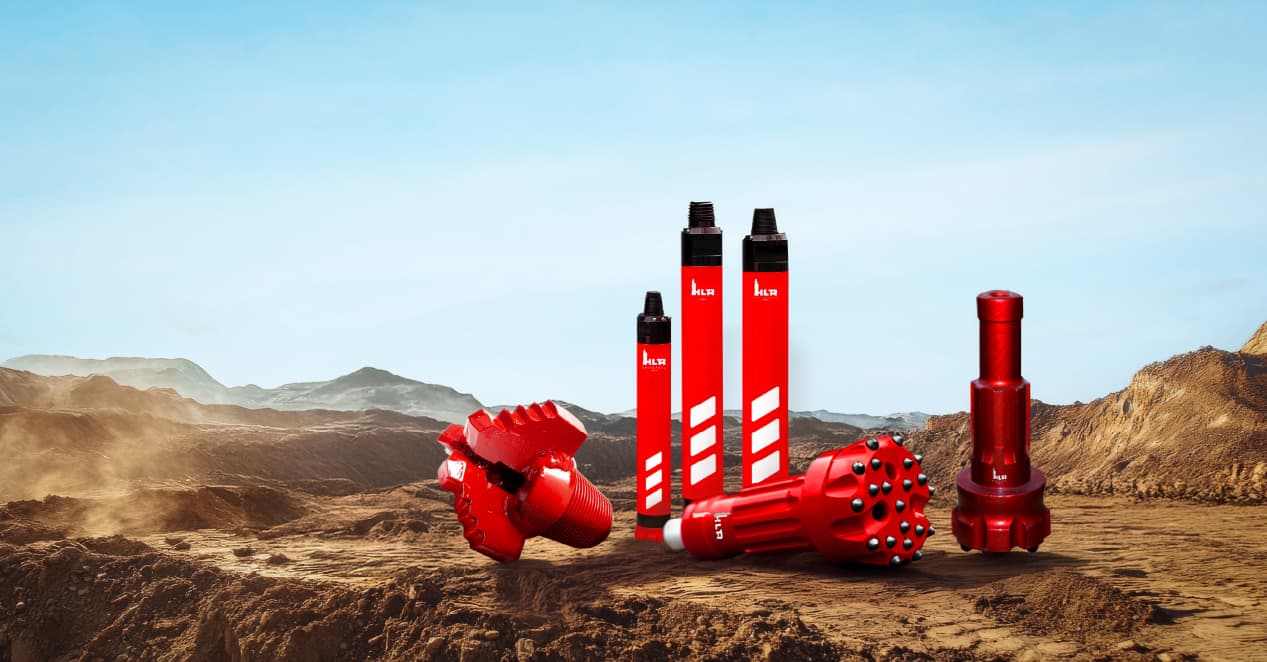
- Rotary drilling equipment, like tricone, drag, PDC, or core bits
- Casing systems for borehole stability
Together, these components enable efficient drilling across a wide range of geological conditions.
What is Auger Drilling? How the Auger Method Works
The Auger Drilling Mechanism
Auger drilling uses a helical screw tool to cut through soil while simultaneously transporting cuttings to the surface. The spiral flights on the auger eliminate the need for a flushing medium in most stable soil formations.
The auger drilling method is most effective in cohesive soils such as clay, silt, and loose overburden. It is commonly used in piling, environmental sampling, geotechnical investigation, and shallow borewell applications.
However, auger drilling has limitations in wet or collapsing formations where borehole support becomes difficult without casing.
Key Components of an Auger Drilling System
A typical auger drilling machine includes:
- Rotary head and mast
- Kelly bar for torque transmission
- Auger drill bit or bucket auger
- Hydraulic feed systems
The auger bit itself is available in different diameters and tooth configurations depending on soil type and drilling requirements.
Rotary Drilling vs Auger Drilling: Key Technical Differences
| Parameter | Rotary Drilling | Auger Drilling |
|---|---|---|
| Cutting Mechanism | Rotating bit cuts rock/soil | Helical screw lifts soil |
| Cuttings Removal | Air, water, or mud flushing | Auger flights |
| Best Formation | Soft soil to medium-hard rock | Cohesive and semi-cohesive soils |
| Effective Depth | 10 m to 500 m+ | 3 m to 60 m |
| Borehole Stability | Mud or casing support | Stable soils only |
| Hard Rock Capability | Excellent with proper bits | Limited |
| Setup Complexity | Moderate | Simpler setup |
| Cost in Soft Soil | Higher | Lower |
In practical terms, auger drilling is simpler and faster in suitable soils, while rotary drilling is more versatile and capable of handling deeper and more complex formations.
Rotary Drill Bits and Auger Bits: Understanding the Tooling
Rotary Drill Bits: Types and Formation Suitability
Common rotary drill bits include:
- Tricone roller bits for medium to hard rock
- Drag bits for soft formations
- PDC bits for fast penetration in soft to medium rock
- Core bits for geological sampling
Selecting the correct rotary bits is essential because drilling efficiency and tool life depend heavily on matching the bit design to the formation.
Auger Bits: Types and Application
Common auger tooling includes:
- Standard flight augers for cohesive soil
- Rock auger bits for gravel and weathered rock
- Bucket augers for large-diameter piling
- Earth auger bit and ground auger drill bit systems for shallow drilling applications
The diameter and tooth design of the auger drill bit determine its suitability for specific piling or soil investigation projects.
When to Choose Rotary Drilling: Applications and Ideal Conditions
Rotary Drilling is the Right Choice When
- Hard rock or mixed formations are present
- Boreholes exceed 50–60 m in depth
- Borehole stability systems are required
- Core sampling is necessary
- Large-diameter holes must penetrate rock
Typical Rotary Drilling Applications
- Borehole drilling in hard rock regions
- Rock-socketed piling
- Deep geotechnical investigation
- Foundation drilling in mixed geology
A rotary drilling machine is often the preferred choice where formation variability and depth make auger systems impractical.
When to Choose Auger Drilling: Applications and Ideal Conditions
Auger Drilling is the Right Choice When
- The formation is stable, cohesive soil
- Drilling depth is relatively shallow
- Fast cycle times are needed
- No flushing system is available
- Soil sampling is required
Typical Auger Drilling Applications
- CFA piling
- Post-hole drilling
- Environmental soil investigation
- Shallow borewell construction
An auger drilling machine provides fast and efficient operation in suitable soil conditions.
Practical Decision Guide: Choosing the Right Method for Your Project
| Project Condition | Recommended Method |
|---|---|
| Cohesive clay or silt | Auger Drilling |
| Hard rock or boulders | Rotary Drilling |
| Depth under 40 m | Auger Drilling |
| Deep drilling into bedrock | Rotary Drilling |
| No flushing system available | Auger Drilling |
| Mixed ground borewell drilling | Rotary Drilling |
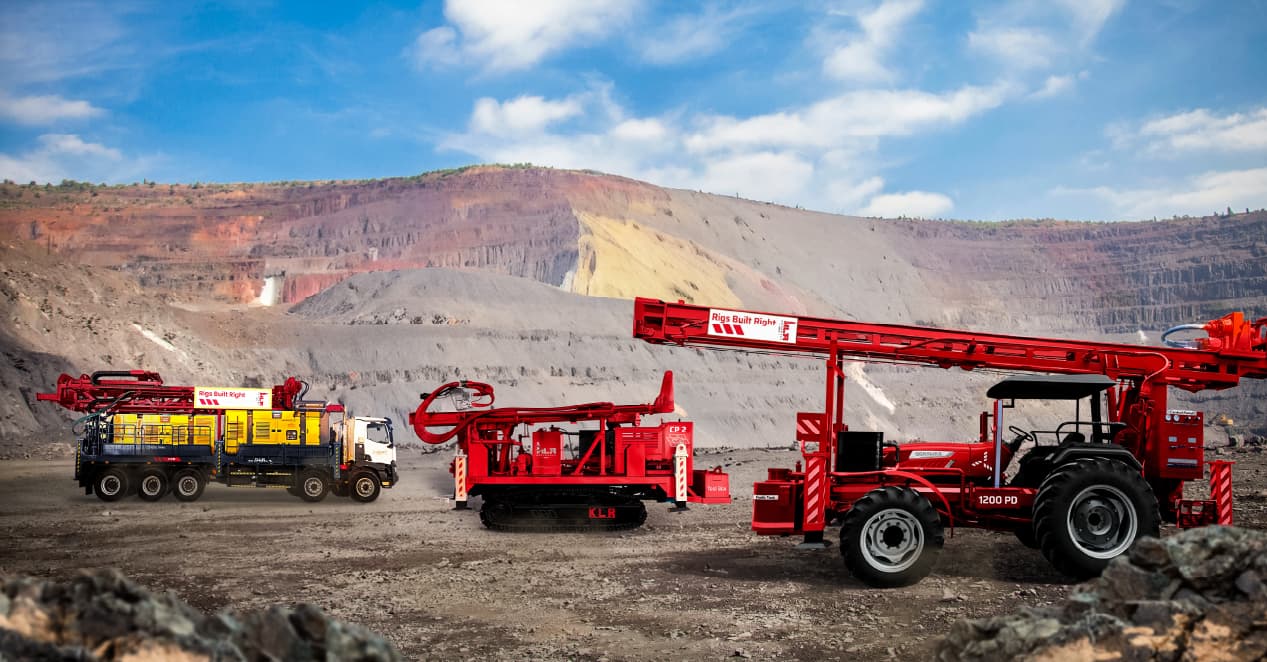
Many projects encounter changing geology with depth. This is where dual-capability rigs become valuable. KLR Universal’s CP-20 and TP-30 are engineered to support both rotary drilling and auger drilling, allowing operators to adapt to changing formations without replacing equipment.
KLR Universal Rotary and Auger Drill Rigs: The CP-20 and TP-30
KLR Universal, one of the leading drilling rigs manufacturers in India has over 40 years of experience manufacturing drilling solutions for piling, construction, and borewell applications. Its construction rig range focuses on flexibility, reliability, and adaptability across varying geological conditions.
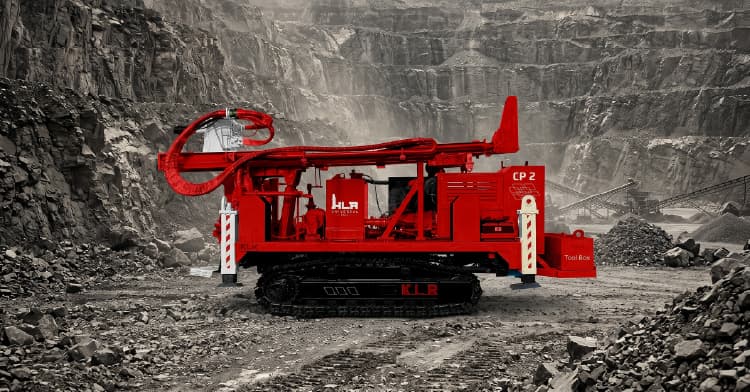
CP-20: Compact Rotary and Auger Drill Rig
The CP-20 is designed for compact drilling operations in restricted-access sites. It supports both auger tooling and rotary drilling assemblies, making it suitable for:
- Compact piling projects
- Geotechnical drilling
- Utility hole construction
- Shallow borewell drilling
TP-30: Medium-Duty Rotary and Auger Drill Rig
The TP-30 is built for larger drilling requirements up to approximately 50 m depth. It offers higher torque and supports larger diameter drilling applications.
Typical applications include:
- Medium to large diameter piling
- Deeper borewell construction
- Construction drilling in mixed ground conditions
Conclusion
The choice between rotary drilling and auger drilling ultimately depends on formation type, depth requirements, and project objectives. Auger drilling offers simplicity and efficiency in cohesive soils, while rotary drilling remains the more versatile method capable of handling everything from soft formations to hard rock.
Dual-capability rigs such as the CP-20 and TP-30 from KLR Universal provide operators with the flexibility to switch between the rotary drilling method and the auger drilling method as ground conditions change. This adaptability helps reduce project risk and improve operational efficiency across construction and geotechnical applications.
For contractors, piling engineers, and project managers evaluating drilling solutions, selecting the right combination of drilling method, tooling, and rig capability is essential for achieving reliable and cost-effective project outcomes.