
How Rotary Drill Rigs Work: A Complete Overview
February 20, 2026
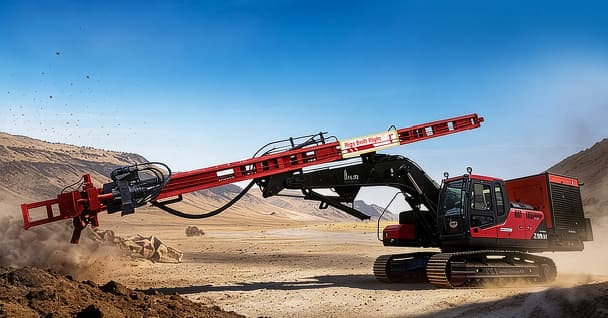
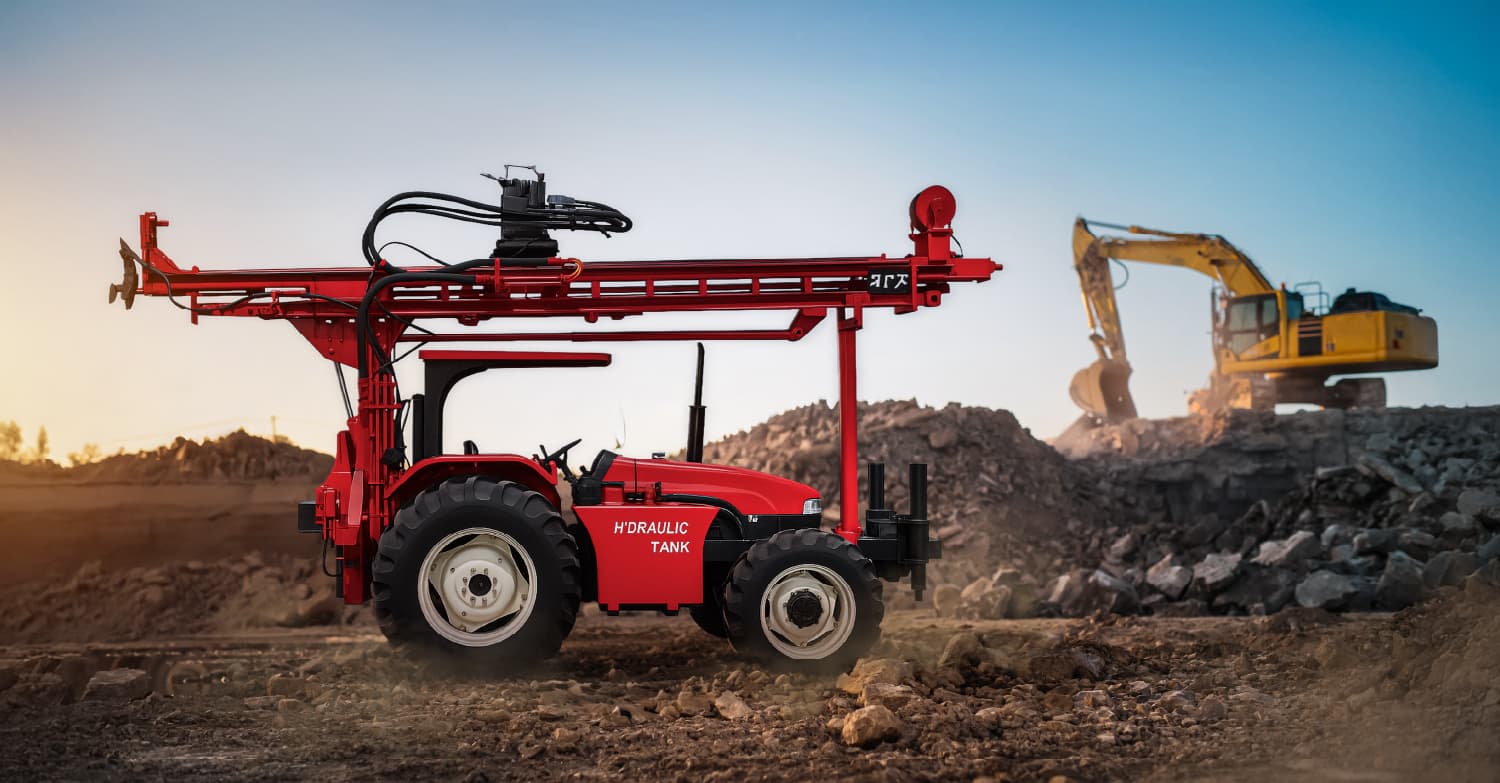
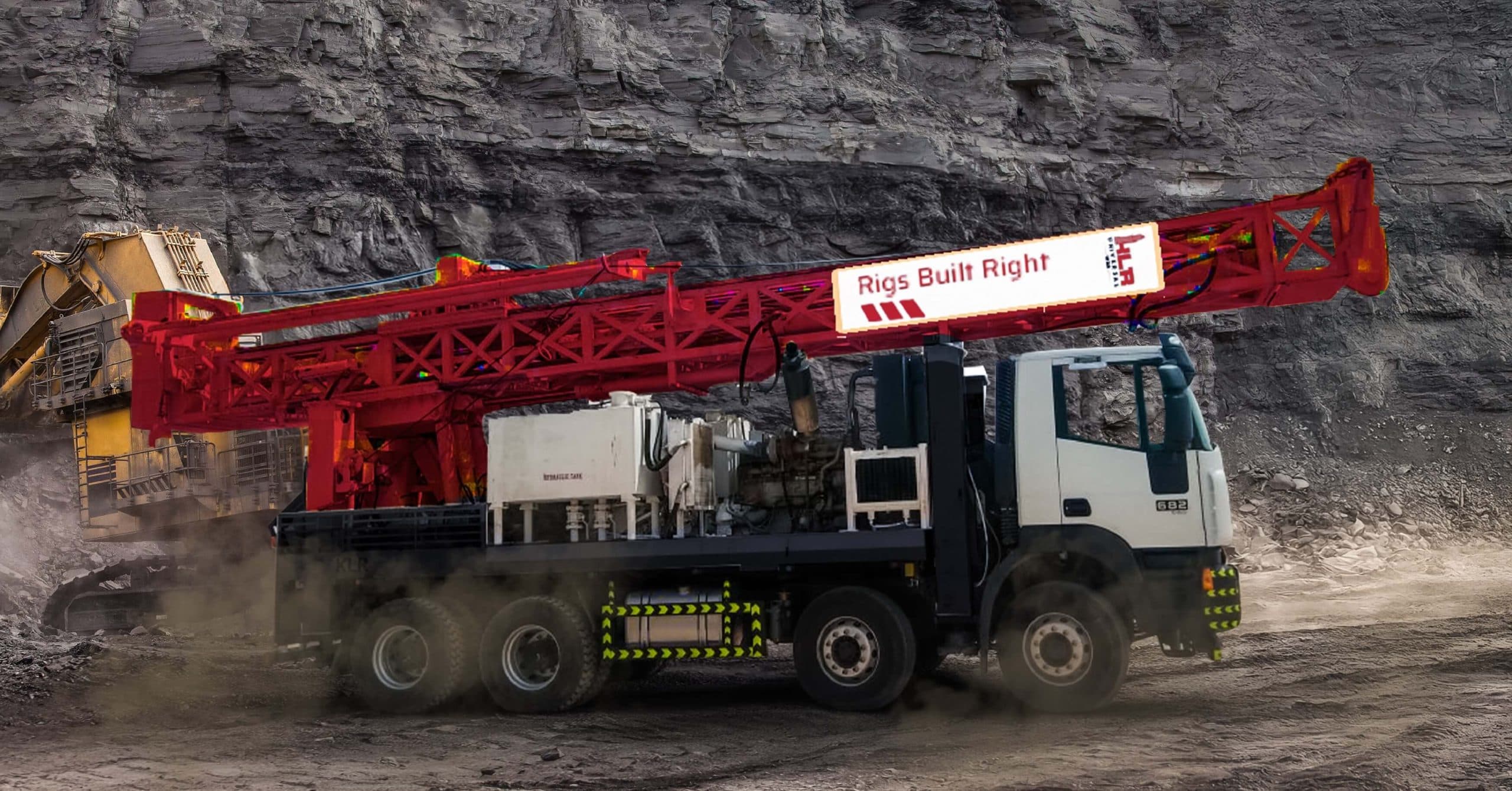
Rotary drilling is one of the most widely used drilling methods across water well, mining, construction, and exploration projects. Its efficiency, adaptability, and ability to drill deep and large-diameter holes make the rotary drill rig a cornerstone of modern drilling operations.
This guide explains the rotary drill rig mechanism, the drilling process, and real-world drill rig operation, with practical insights for engineers, operators, and decision-makers.
What Is a Rotary Drill Rig?
A rotary drill rig is a drilling machine that creates boreholes by rotating a drill bit against the ground while applying controlled downward force. Unlike percussive drilling, which breaks rock through repeated impacts, rotary drilling relies on continuous rotation to cut, crush, or grind the formation.
The core purpose of a rotary drill rig
- Drill vertical or inclined boreholes
- Penetrates soil, sand, clay, gravel, and rock formations
- Maintain hole stability during drilling
- Support fluid circulation or air flushing
Rotary drill rigs are engineered to deliver consistent torque, stable rotation, and precise depth control, making them suitable for both shallow and deep drilling applications
How Does a Rotary Drill Rig Work?
Understanding the rotary drill rig mechanism becomes easier when broken into sequential steps. Below is a practical, field-oriented explanation of the drilling process from setup to hole completion.
Step 1: Rig setup and positioning
The drill rig operation begins with positioning the rig over the target drilling point. Hydraulic outriggers or stabilisers are deployed to level the rig and ensure structural stability.
Key actions:
- Rig alignment with the borehole location
- Mast erection to the required drilling angle
- System checks for hydraulics, rotation, and circulation
Step 2: Rotation and torque generation
The heart of rotary drilling is the rotation system. A rotary head or rotary table generates torque and transmits it to the drill string.
Functionally:
- The rotary head turns the drill rods and bit
- Torque varies based on formation hardness
- Speed and rotation are adjusted by the operator
This controlled rotation allows the bit to cut through different geological layers efficiently.
Step 3: Downward force and penetration
Rotation alone is not enough. The rig applies downward force, commonly known as weight on bit, to enable effective penetration.
This is achieved through:
- Hydraulic feed systems
- Controlled thrust along the mast
- Operator-regulated pressure
The balance between rotation speed and downward force is critical for tool life and drilling efficiency.
Step 4: Material removal and hole cleaning
As the drill bit cuts the formation, debris must be removed continuously. Rotary drill rigs use different circulation methods depending on the application.
Common methods include:
- Air flushing using compressors
- Mud circulation with drilling fluids
- Water injection for cooling and cuttings removal
This step prevents clogging, stabilises the borehole, and improves drilling accuracy.
Step 5: Drill string extension and depth control
As drilling progresses, additional drill rods are added sequentially to increase depth. The rig maintains alignment and rotational consistency throughout the process.
Operator controls ensure:
- Straightness of the borehole
- Accurate depth measurement
- Minimal vibration and deviation
Once the target depth is reached, the drill string is withdrawn in a controlled manner.
Applications of Rotary Drill Rigs in Various Industries
Thanks to their versatility, rotary drill rigs are used across multiple sectors, each with specific operational requirements.
Water well drilling
Rotary drill rigs are widely used for drilling domestic, agricultural, and industrial water wells. They handle mixed soil and rock formations efficiently while supporting casing installation.
Mining and quarrying
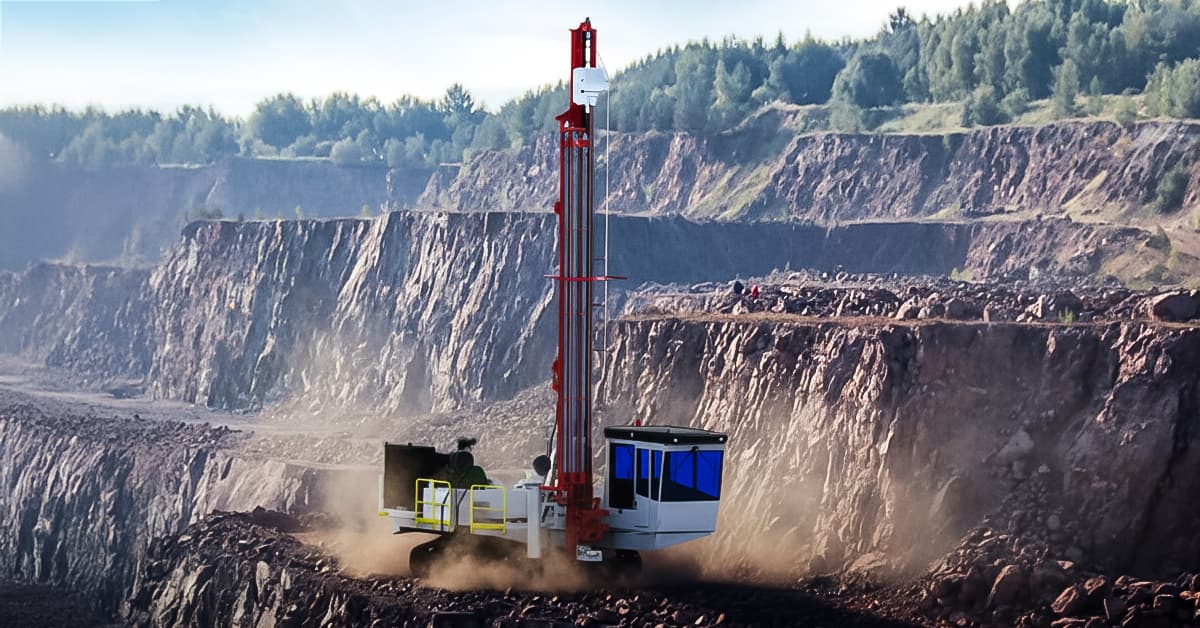
In surface mining and quarrying, rotary drilling supports blast hole drilling, overburden removal, and production drilling where depth and consistency are critical.
Construction and infrastructure
Rotary drilling is essential for piling, foundation work, soil investigation, and anchoring applications in large infrastructure projects.
Exploration and geotechnical drilling
Rotary drill rigs are used for mineral exploration, core drilling, and geotechnical surveys, where precision and controlled penetration are required.
Why rotary drill rigs remain industry standard
From a functional standpoint, rotary drill rigs offer:
- Continuous and controlled drilling
- Adaptability to diverse formations
- Scalable depth and diameter capability
- Compatibility with multiple drilling methods
When designed with robust structures, efficient hydraulics, and reliable rotation systems, rotary drill rigs deliver consistent performance across demanding environments.
Conclusion
Understanding how a rotary drill rig works helps operators maximise efficiency, reduce wear, and improve drilling outcomes. By mastering the rotary drilling process and the underlying rotary drill rig mechanism, projects benefit from safer operations, better productivity, and longer equipment life.
Manufacturers like KLR Universal apply decades of field experience to engineer rotary drill rigs that balance power, precision, and durability for real-world drilling challenges.