
DTH vs Rotary Drilling: Which is Better for Water Well Drilling?
June 2, 2026
The demand for reliable groundwater sources is increasing globally, especially in countries like India, where agriculture, infrastructure, and rural development depend heavily on water availability. As a result, choosing the right water well drilling techniques has become a critical decision for contractors, engineers, and project owners.
Among the most widely used methods of drilling wells, DTH drilling and rotary drilling stand out as the two dominant approaches. Each method offers distinct advantages depending on geological conditions, drilling depth, and project requirements. This blog provides a detailed comparison to help decision-makers understand the difference between DTH and rotary drilling and select the most suitable method.
Understanding the Two Methods: What is DTH Drilling and What is Rotary Drilling?
What is DTH (Down the Hole) Drilling?
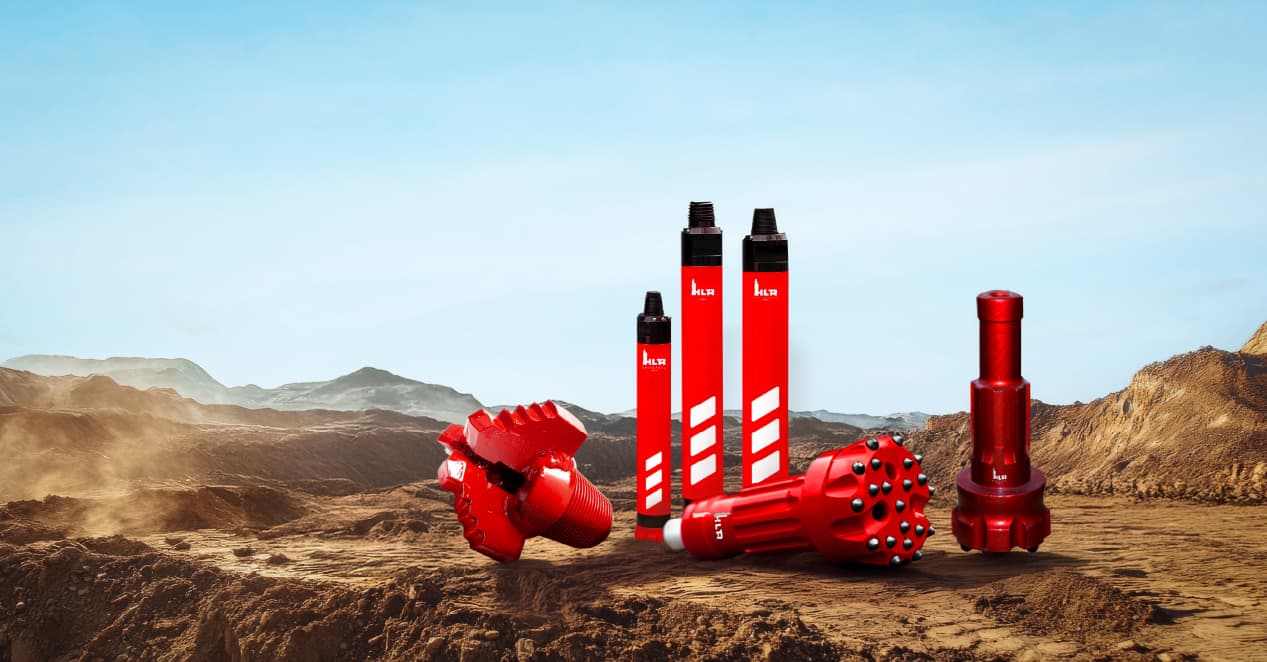
DTH drilling uses a hammer positioned directly behind the drill bit at the bottom of the borehole. Compressed air powers a piston that repeatedly strikes the bit, creating a strong percussive force.
Key aspects:
- Combines percussion and rotation
- Ideal for hard rock formations such as granite and basalt
- Commonly used in water well drilling, mining, and exploration
- Relies on a down the hole drilling machine for efficient operation
This method ensures direct energy transfer to the rock, resulting in faster penetration and straighter boreholes in hard formations.
What is Rotary Drilling?
Rotary drilling works by rotating the drill bit under applied weight, cutting or crushing the formation.
Key aspects:
- Uses rotation and weight on the bit
- Two types: direct rotary and reverse rotary
- Suitable for soft to medium formations
- Widely used in rotary water well drilling projects
| Parameter | DTH Drilling | Rotary Drilling |
|---|---|---|
| Mechanism | Percussion + Rotation | Rotation + Weight |
| Best For | Hard rock | Soft to medium formations |
| Drilling Fluid | Compressed air | Mud or water |
| Speed in Hard Rock | High | Moderate |
Key Differences Between DTH and Rotary Drilling
| Parameter | DTH Drilling | Rotary Drilling |
|---|---|---|
| Formation Suitability | Hard, fractured rock | Soft, unconsolidated soil |
| Drilling Speed | Faster in hard rock | Faster in soft formations |
| Borehole Straightness | Highly accurate | Can deviate in hard rock |
| Water Yield | Better in hard rock aquifers | Depends on the formation |
| Operational Depth | Suitable for deep wells | Best for shallow to medium |
| Cost | Higher upfront | Lower initial cost |
| Maintenance | Moderate | Frequent mud system maintenance |
| Noise & Vibration | Higher | Lower |
The difference between DTH and rotary drilling becomes clear when comparing performance in specific conditions. DTH excels in accuracy and depth, while rotary offers cost efficiency in softer formations.
Water Well Drilling Techniques: Which Method Suits Which Geology?
When to Choose DTH Drilling
- Hard rock formations (granite, basalt, quartzite)
- Fractured aquifers require accuracy
- Deep borewell projects
- Locations where air-based drilling is preferred
When to Choose Rotary Drilling
- Alluvial and sandy formations
- Shallow water table areas
- Large diameter borewells
- Coastal and delta regions
Selecting the right types of water well drilling methods depends primarily on geology and project requirements.
Rotary Drilling Advantages and Disadvantages
Advantages of Rotary Drilling
- Suitable for soft and semi-consolidated formations
- Lower initial equipment cost
- Supports larger borehole diameters
- Effective for shallow aquifers
- Widely available rigs for rotary well drilling
Disadvantages of Rotary Drilling
- Slower in hard rock
- Risk of borehole deviation
- Requires continuous drilling mud
- Potential formation damage
- Lower efficiency at deeper levels
Understanding rotary drilling advantages and disadvantages helps contractors evaluate its suitability for specific projects.
Water Well Drilling Process – Step by Step for Both Methods
DTH Drilling Process
- Site survey and geological assessment
- Rig setup with a compressor
- Initial casing installation
- DTH hammer drilling begins
- Air flushes cuttings
- Borehole logging and casing
- Pump testing and yield evaluation
Rotary Drilling Process
- Site and formation assessment
- Rig setup and rod assembly
- Mud system preparation
- Rotary drilling begins
- Cuttings removed via mud circulation
- Borehole stabilisation
- Development and testing
The water well drilling process differs mainly in how energy is applied and how debris is removed.
Which Method is Better for Water Well Drilling? A Practical Verdict
| Project Condition | Recommended Method |
|---|---|
| Hard rock geology | DTH Drilling |
| Soft formations | Rotary Drilling |
| Deep borewells | DTH Drilling |
| Shallow wells | Rotary Drilling |
| High accuracy required | DTH Drilling |
| Large diameter wells | Rotary Drilling |
There is no one-size-fits-all answer. The choice between DTH drilling and rotary drilling depends on geology, depth, and operational requirements.
In practice:
- DTH drilling delivers better results in hard rock and deep applications
- Rotary drilling is more economical for shallow and soft formations
KLR Universal Water Well Drilling Rigs – Built for Both Methods
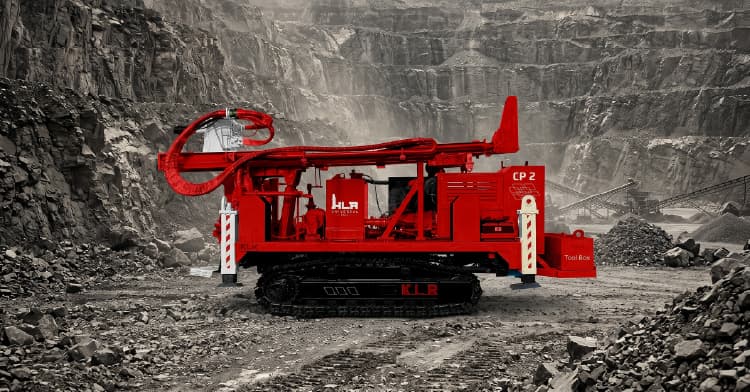
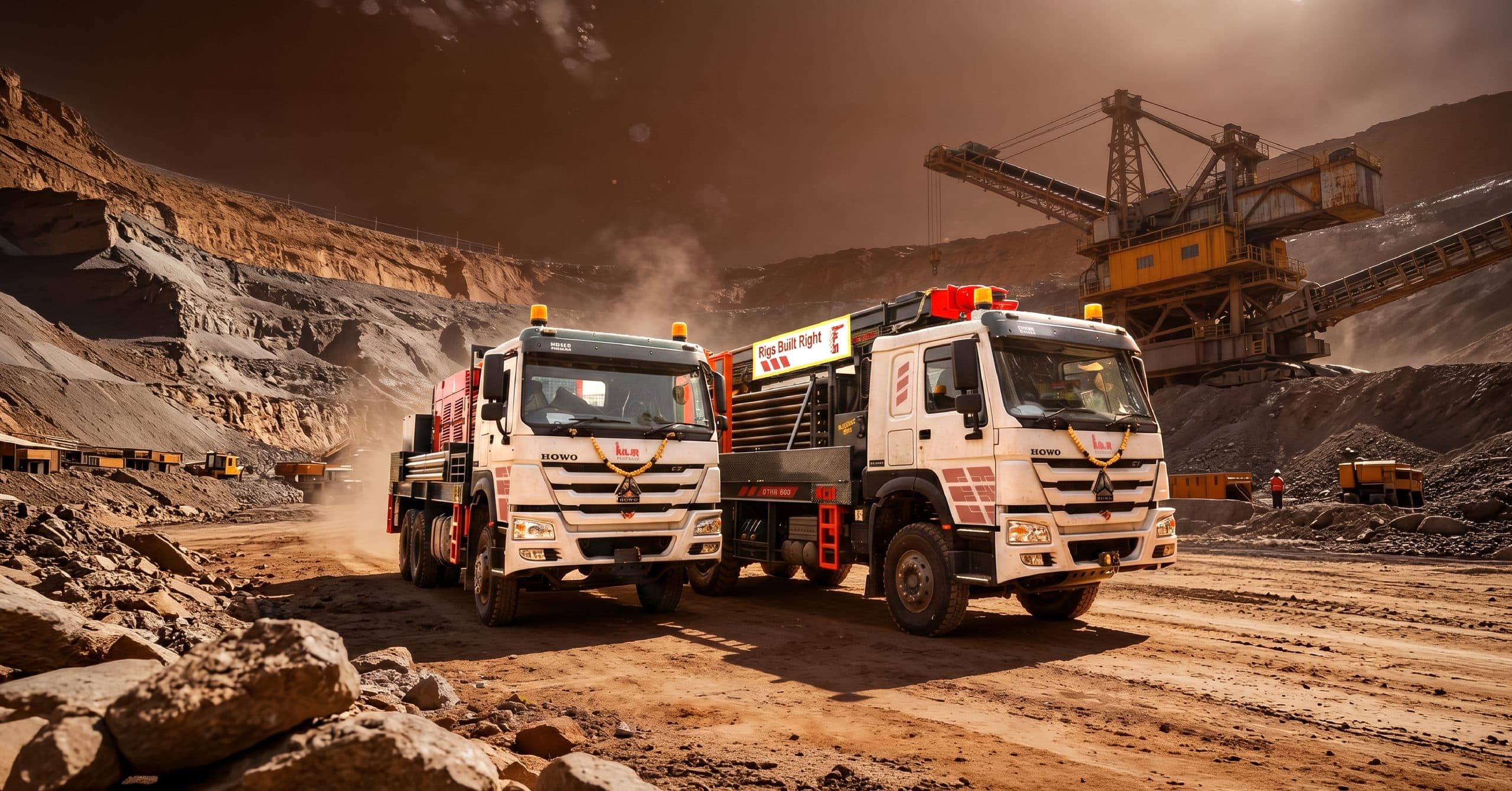
KLR Universal brings over four decades of expertise in designing drilling solutions for diverse applications. The company offers water well drilling rigs compatible with both DTH drilling and rotary drilling, allowing operators to adapt to varying geological conditions.
Key strengths include:
- ISO 9001:2015 certified manufacturing
- In-house engineering and design
- Strong after-sales support network
- Export presence in over 60 countries
Models such as the DTHR series are designed for deep borehole applications, offering high performance across challenging environments.
Conclusion
Both DTH drilling and rotary drilling are essential water well drilling methods, each suited to specific geological conditions. While DTH drilling excels in hard rock and deep bore applications, rotary drilling remains effective for soft formations and cost-sensitive projects.
Choosing the right method depends on factors such as depth, formation type, bore diameter, and budget. Equally important is selecting the right equipment that aligns with these requirements. For contractors and project teams evaluating drilling solutions, consulting experienced drilling rigs manufacturers like KLR Universal can help ensure the right combination of method and machine, thus leading to efficient, reliable, and long-lasting water well systems.s.
For contractors, piling engineers, and project managers evaluating drilling solutions, selecting the right combination of drilling method, tooling, and rig capability is essential for achieving reliable and cost-effective project outcomes.