
Types of Drilling Rigs Used in Mining, Construction & Water Well Projects
April 7, 2026
Introduction
Drilling rigs play a critical role across mining, construction, and water infrastructure. They enable deep excavation, rock penetration, and access to groundwater. From extracting minerals to building deep foundations and reliable water supplies, drilling technology underpins modern development.
Different industries need different types of drilling rigs. Each is engineered for specific geological and operational conditions. Whether it's a mining rig breaking through hard rock, or a water well rig reaching an aquifer, the right equipment directly shapes efficiency, safety, and long-term outcomes.
What Are Drilling Rigs?
Definition and Purpose of Drilling Rigs
A drilling rig is a machine built to create holes in the ground, by penetrating soil, rock, or other formations. These holes, called boreholes, serve many purposes: mineral exploration, construction foundations, blasting, and water extraction.
Modern drilling rigs combine powerful mechanical systems with advanced controls, for accurate, efficient drilling. Depending on the job, rigs can be mounted on trucks, crawlers, or stationary platforms. They may run on hydraulic systems, rotary mechanisms, or percussion drilling.
The importance of types of drilling rigs extends across multiple sectors:
- Mining: extracting mineral resources through blast holes and exploration drilling
- Construction: creating deep foundations using piling or anchoring rigs
- Water infrastructure: drilling wells to access groundwater for communities and agriculture
As global demand for infrastructure and resources grows, the role of reliable drilling rigs continues to expand.
Types of Drilling Rigs Used in Mining Projects
Mining operations rely heavily on specialised rigs that can penetrate hard rock and create blast holes or exploration boreholes.
Surface Drilling Rigs
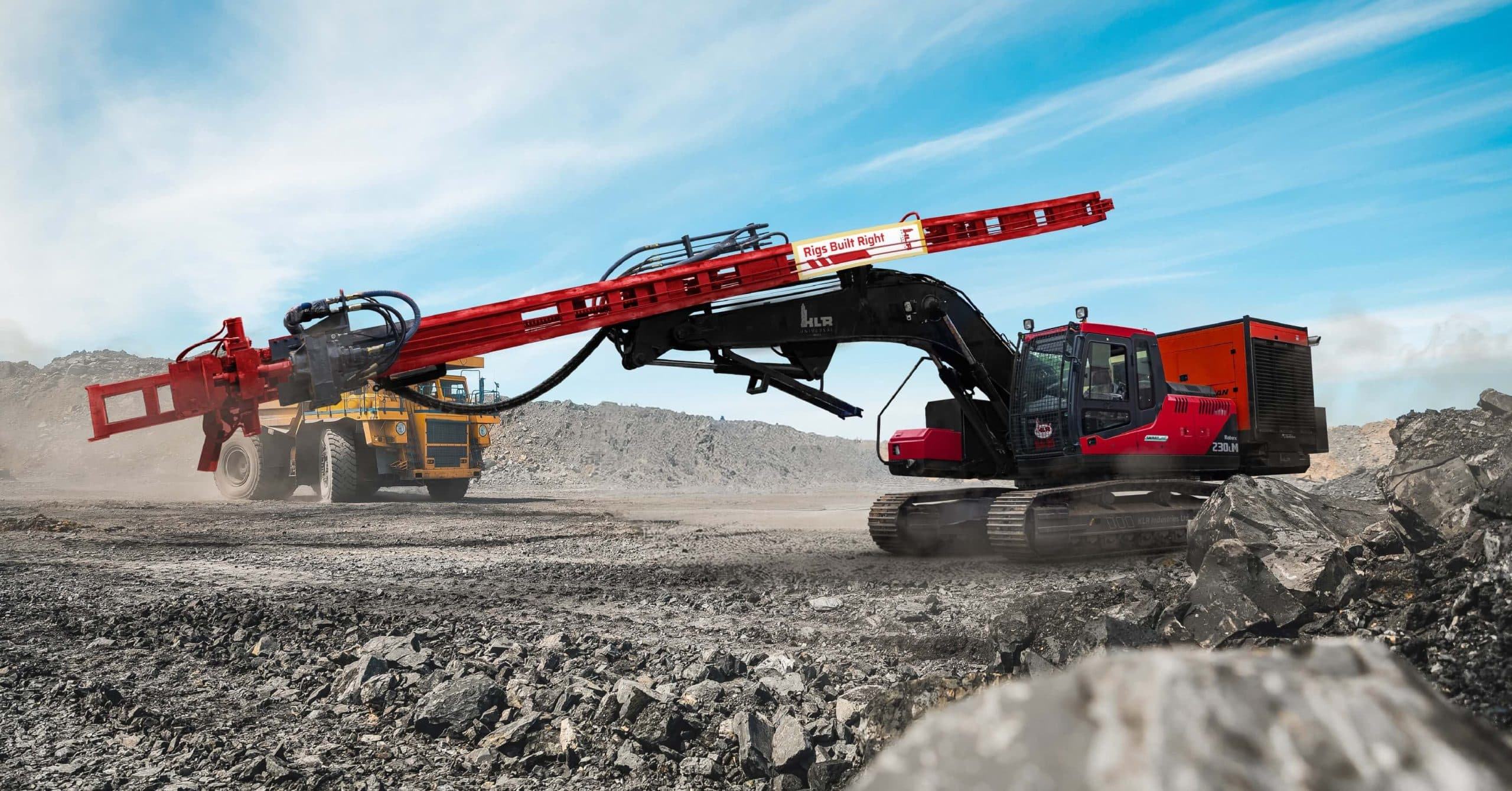
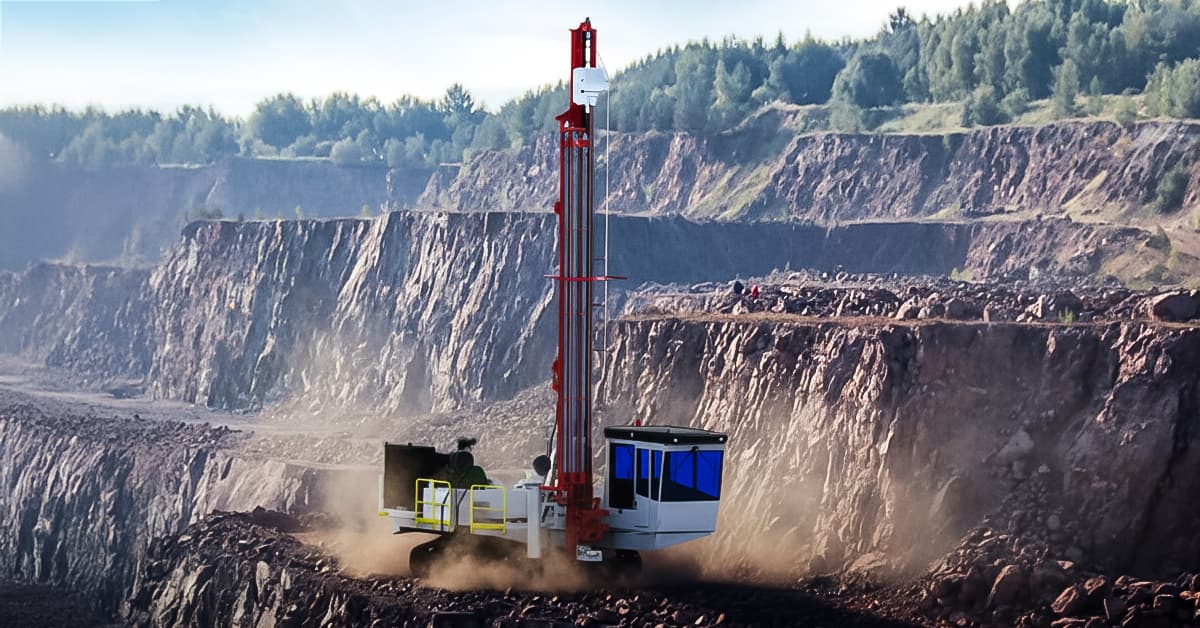
Surface drilling rigs are widely used in open-pit mining. They operate above ground, drilling vertically or at angles to create blast holes for controlled explosions.
Key characteristics of surface drilling rigs include:
- High penetration rates for hard rock formations
- Large drill diameter capability
- Strong air compression systems for debris removal
These rigs form a major part of modern mining drilling equipment, enabling efficient extraction of minerals while maintaining operational safety.
Underground Mining Drilling Rig
An underground mining drilling rig is built to work in confined tunnels. These rigs are compact but powerful. They let miners drill holes for blasting, rock bolting, and exploration, even in tight spaces.
Important features include:
- Compact design for narrow tunnels
- High precision drilling control
- Enhanced safety systems for underground environments
Such rigs are essential in underground mines where access and mobility are restricted.
Rotary Blast Hole Drilling Rig for Mining
Large mining operations often use rotary blasthole drilling rigs for deep blast holes in hard rock. These rigs combine rotary drilling with powerful compressors, to break through rock efficiently.
Benefits include:
- Faster drilling in hard rock formations
- High productivity for large mining projects
- Consistent hole diameter and depth
These blast hole drilling rig specifications make them a vital tool for large-scale mining operations.
Types of Drilling Rigs Used in Construction Projects
Construction projects often need drilling for deep foundations, anchor systems, or excavations. The rig type used depends on soil conditions and project scale.
Piling Rigs
A piling rig drills deep holes for structural piles, which support buildings, bridges, and other infrastructure. These rigs are essential wherever surface soil can't bear heavy loads on its own.
Key benefits of piling rigs include:
- Ability to drill deep foundations
- Suitable for large infrastructure projects
- Precise drilling for structural stability
Modern piling rigs are widely used in urban construction and infrastructure development.
Blasthole Drilling Rig
On construction sites with heavy rock excavation, blasthole drilling rigs create the holes where explosives go, for controlled rock breaking.
These rigs help:
- Prepare sites for large infrastructure projects
- Break hard rock formations efficiently
- Accelerate excavation timelines
Hydraulic Drilling Rigs
A hydraulic drilling rig uses hydraulic power to drive its drilling mechanism. These rigs are widely used in construction for their precise control, strong drilling force, and efficient performance.
Advantages include:
- Smooth operation and high accuracy
- Strong drilling capability in mixed formations
- Improved operational efficiency
Types of Drilling Rigs Used in Water Well Projects
Water well drilling plays a vital role in supplying groundwater, for drinking, agriculture, and industry. Specialised water well rigs create these boreholes.
Water Well Drilling Rig
A water well drilling rig is built specifically to drill boreholes that reach underground aquifers. Size and capability vary, depending on the water table's depth and local geology.
Common features include:
- Ability to drill deep boreholes
- Efficient removal of drilling debris
- Adaptability to various soil and rock types
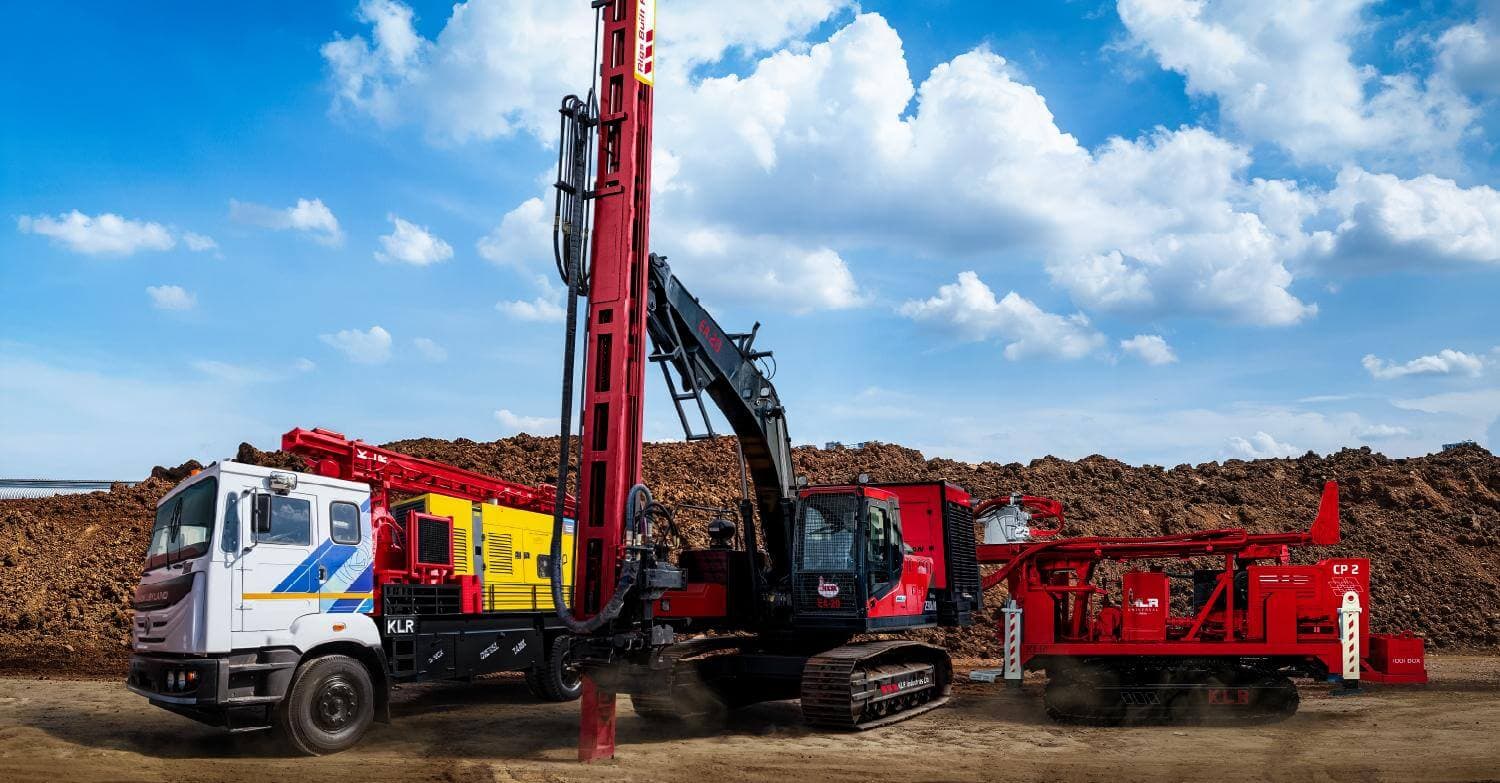
Modern rigs are often truck-mounted drilling rigs, allowing easy transport between drilling sites.
Hydraulic Water Well Drilling Rig
A hydraulic water well drilling rig uses hydraulic power for better drilling efficiency and control. These rigs are widely used because they offer:
- High drilling accuracy
- Reduced operator fatigue
- Reliable performance in difficult formations
Deep Water Well Drilling Rigs
Deep water well drilling rigs are designed to reach deeper aquifers where groundwater is located hundreds of meters below the surface.
These rigs typically feature:
- High-power drilling systems
- Large compressors for air circulation
- Strong structural components for deep drilling operations
Factors to Consider When Choosing a Drilling Rig
Selecting the right types of rigs for drilling requires careful evaluation of several factors.
| Factor | Why It Matters |
|---|---|
| Terrain and geology | Determines drilling method and rig type |
| Drilling depth | Affects power requirements and rig size |
| Hole diameter | Determines tool and rig compatibility |
| Mobility requirements | Truck or crawler mounting affects site access |
| Operational efficiency | Influences project timeline and costs |
Understanding these factors helps project managers choose equipment that truly fits their operational needs.
How to Maintain and Operate Different Types of Drilling Rigs
Best Practices for Rig Operation
Proper operation keeps drilling safe and efficient. Operators should follow these best practices:
- Conduct routine inspections before operation
- Monitor compressor pressure and hydraulic systems
- Use appropriate drilling tools for the formation
Leading mining drilling rig manufacturers, including KLR Universal, emphasise operator training and maintenance protocols to improve machine lifespan and safety.
Maintenance of Hydraulic and Rotary Drilling Rigs
Maintenance is essential for both hydraulic drilling rigs and rotary drilling systems.
Key maintenance tasks include:
- Lubricating moving components regularly
- Inspecting drill rods and bits for wear
- Checking hydraulic hoses and seals
Regular servicing ensures optimal performance and reduces downtime during drilling operations.
Conclusion: Choosing the Right Drilling Rig for Your Project
Different industries rely on different types of drilling rigs, depending on the environment and project goals. Mining needs powerful mining rigs. Construction depends on piling rigs and hydraulic rigs. Groundwater projects rely on advanced water well rigs.
Selecting the right rig ensures efficient drilling, safe operation, and a successful project. With extensive experience designing and manufacturing drilling equipment, KLR Universal continues to support mining, construction, and water infrastructure projects worldwide.
Contact KLR Universal today to find the perfect drilling rig for your next project.