
What Is a Drilling Rig? Exploring the Backbone of Oil, Gas, and Mining
November 14, 2025
Introduction
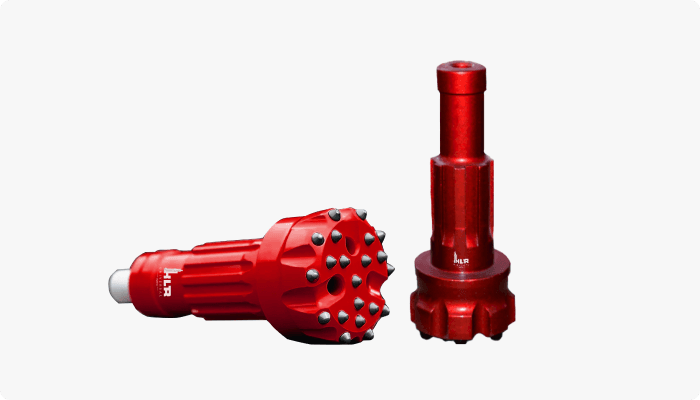
A drilling rig is the machine that creates a borehole — a round, vertical or angled hole drilled into rock or soil. The same basic principle, a rotating or percussive bit removing material as it advances, scales from a small water-well rig up to a multi-storey offshore platform; what changes between them is depth, diameter and the ground conditions each is built for. "Rig" isn't an abbreviation or acronym — it's the standard engineering term for the complete drilling setup, as distinct from just the "drill" or "drill bit", which refer only to the cutting tool itself.
Drilling Rig Basics
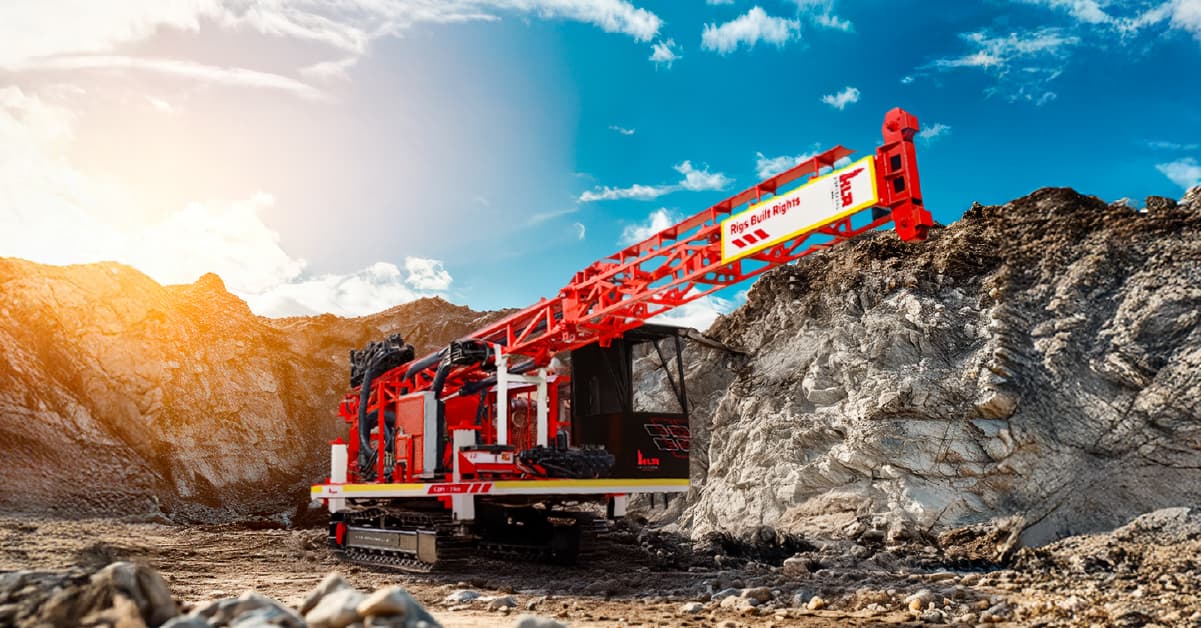
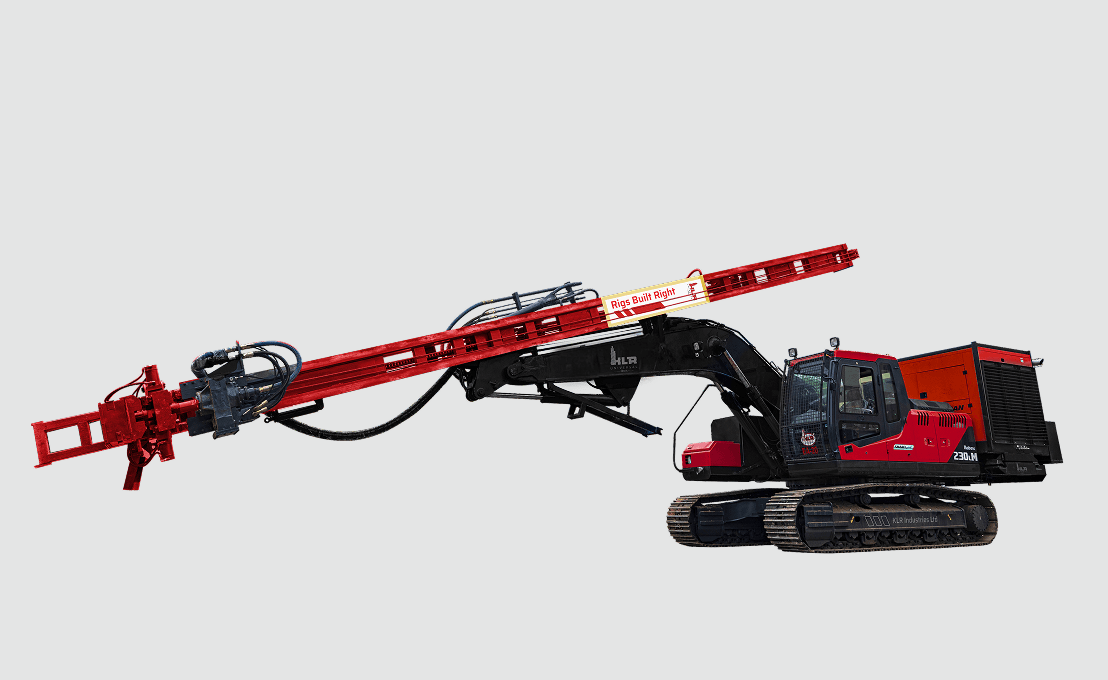
Structurally, a drilling rig has three main parts: a mast — the tall steel frame that holds everything upright and guides the drill string — the drive that turns or hammers the bit (rotary drilling or percussion drilling), and the pipe string that carries that force down to the bit. Rigs built for oil and gas in Gujarat and Assam, mineral exploration in Karnataka, and water wells nationwide all share this same basic structure across the drilling industry; what differs between them is scale and drive method.
What Are Its Functions?
A drilling rig's job changes with the resource it's targeting. In oil, it drills the well a pump later draws crude from. In gas, the same borehole carries fuel to power plants and homes. In mining, rigs drill blast holes that break rock loose for extraction, or core holes that bring up samples for geologists to assess before heavier equipment moves in.
Types of Drilling Rigs
Not all drilling rigs are alike — they're categorised by where they operate, how deep they go, and what they're drilling for. The main types:
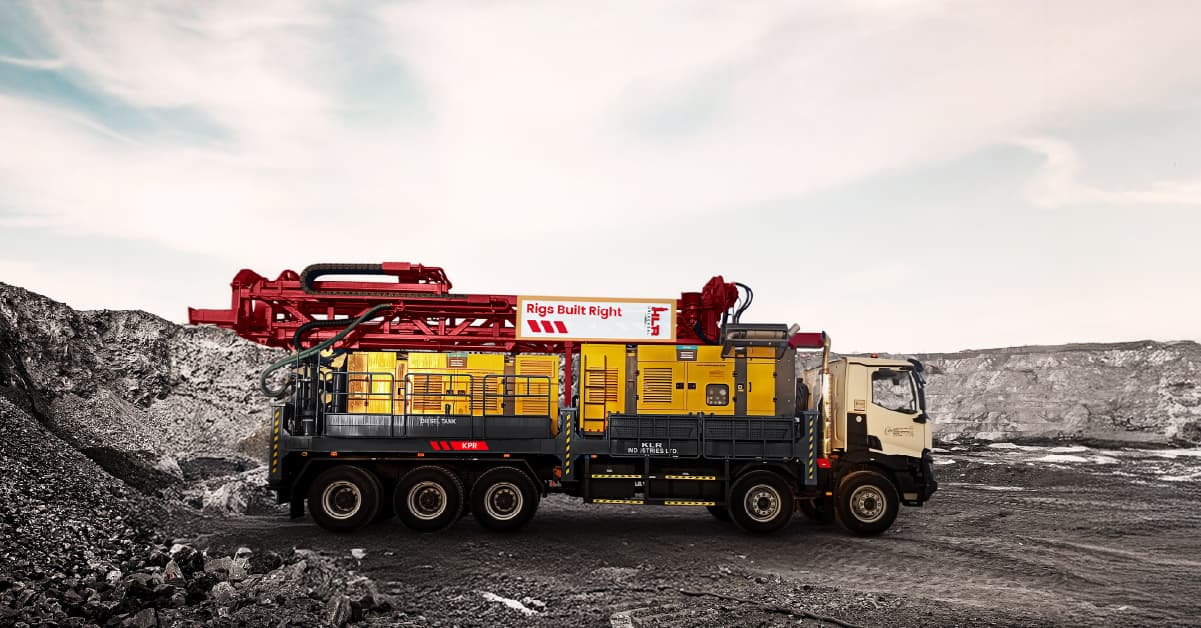
- Land Rigs: for onshore drilling, including oil and gas production and water-well drilling.
- Offshore Rigs: mounted on oil platforms or ships, built to drill offshore oil wells under open water.
- Portable Rigs: smaller, mobile units used for shallow drilling or exploration work.
- Deepwater Rigs: specialised for drilling in deep ocean conditions, mainly for oil and gas.
Oil and Gas Drilling Rig Functions
Oil and Gas Extraction:
Drilling rigs facilitate access to the underground oil and gas reserves. Without them, we cannot power our vehicles, heat our homes, or run our industries. Some offshore oil rigs, mounted on platforms built specifically for open-water drilling, have been game-changers for the energy sector by using the once-distant reserves hidden under the sea floor.
Mining Operations:
Drilling rigs are used in mining to help extract minerals such as gold, copper and iron ore. They're also used in exploration, giving geologists core samples that help identify where a mine might be viable.
The Importance of Drilling Rigs
- Efficiency: drilling rigs make resource extraction faster and more affordable.
- Precision: modern rigs use GPS and sensor data for accurate, controlled drilling.
- Safety: operators follow strict protocols to protect both workers and the surrounding environment.
- Versatility: the same rig family can be adapted from shallow water wells to deep offshore oil extraction.
Technological Advances in Drilling Rigs
The field keeps moving. Automation is the biggest recent shift — some modern rigs now handle repetitive drilling tasks with minimal manual input, which improves both consistency and operator safety.
- Eco-friendly design: newer rigs are built to cut emissions and reduce their environmental footprint.
- Real-time monitoring: IoT sensors track drilling conditions as they happen, so operators can adjust before a problem becomes a delay.
Why KLR Universal For Your Drilling Rig Needs?
KLR Universal has designed and manufactured drilling rigs in-house at its Hyderabad facility since 1984, running its own Heat Treatment Division for the drill rods and hammers each rig uses rather than sourcing them from a third party. The current range spans water well rigs reaching 800 m, surface mining and quarrying rigs, construction and pole-hole rigs, exploration core rigs down to 750 m, and underground rigs built to fit inside confined headings — exported to more than 60 countries. For a closer look at the manufacturing side, see our drilling rig manufacturer in India page.