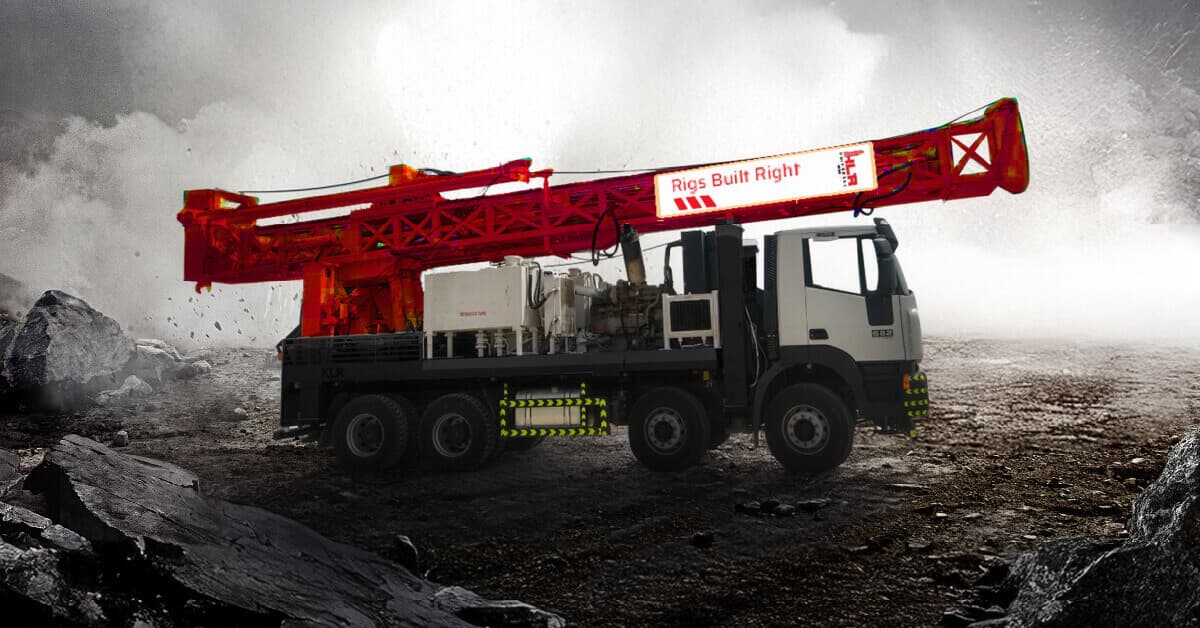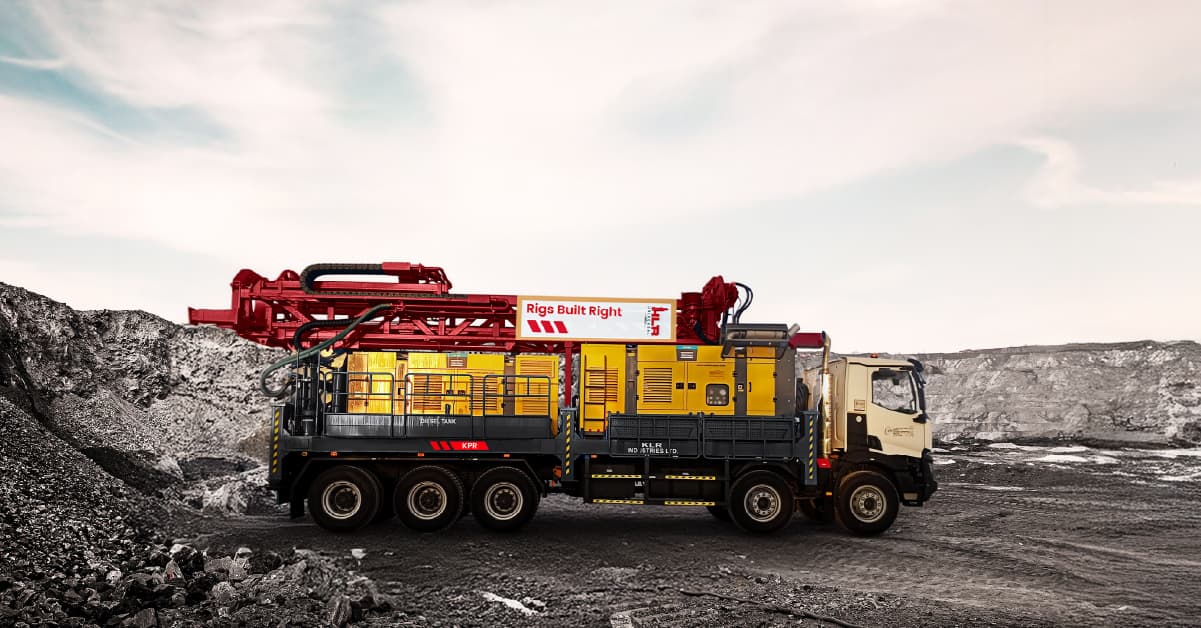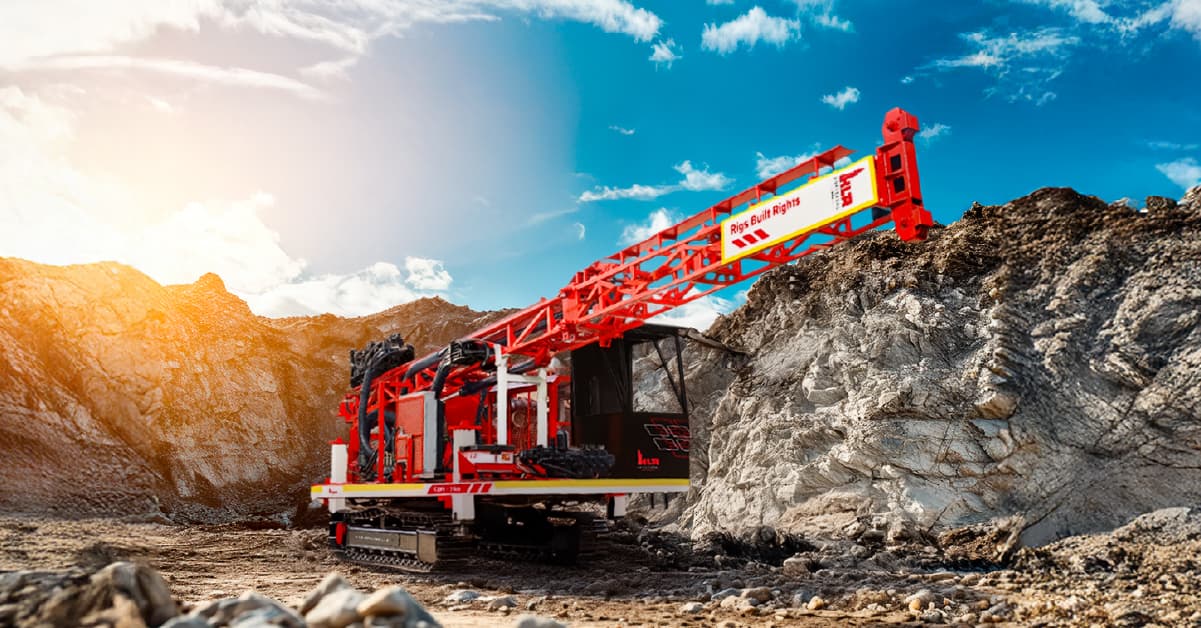

What Is a Water Well Drilling Machine? A Beginner-Friendly Guide
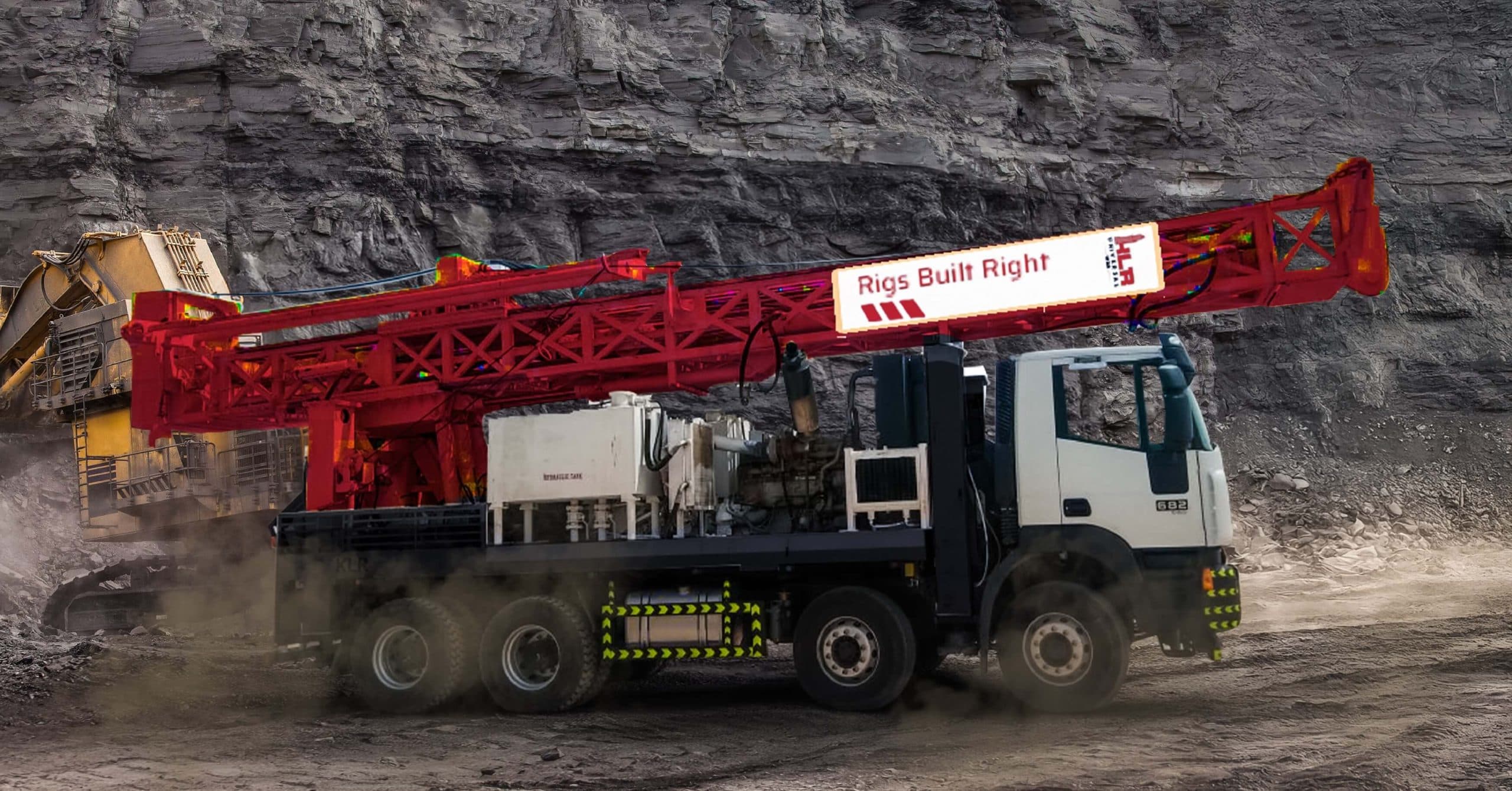
February 17, 2026
A water well drilling machine is specialised equipment used to drill into the ground to access underground water sources safely and efficiently. Today, these machines play a critical role in agriculture, rural water supply, construction, and industry, where dependence on groundwater continues to rise.
For beginners, understanding how a water drilling machine works and how it differs from other drilling solutions is essential before making a purchase decision. With growing water scarcity and increasing pressure on groundwater resources, reliable groundwater drilling machines have become foundational infrastructure assets. Manufacturers like KLR Universal, with decades of engineering experience, help address this need by designing machines focused on durability, performance, and long-term usability in real field conditions.
What Is a Water Well Drilling Machine?
Definition (quick overview):
A water well drilling machine is a mechanical system designed to drill boreholes into the earth to access groundwater for domestic, agricultural, industrial, or municipal use.
In simple terms, the machine creates a vertical or inclined hole in the ground, known as a borehole, through which water can be extracted. A water well drilling rig refers to the complete setup, including the machine, mast, drilling tools, compressor, and support systems. The “machine” is the core unit, while the “rig” is the full operational assembly.
Typical depth ranges vary by application:
- Domestic and small agricultural wells: 30–100 m
- Agricultural and community wells: 100–300 m
- Industrial or high-yield wells: 300 m and beyond
How Does a Water Well Drilling Machine Work?
A water drilling rig follows a systematic, step-by-step process that ensures safe and efficient borehole creation.
Step-by-step working process:
- Site preparation and alignment – The machine is positioned and levelled at the drilling point.
- Drilling method selection – Rotary, DTH, or auger drilling is chosen based on soil and rock conditions.
- Borehole drilling process – The borehole drilling machine drills to the required depth using rotation, impact, or both.
- Casing installation – Pipes are inserted to prevent borehole collapse and protect water quality.
- Flushing and well development – Air or water clears debris and improves water flow.
This sequence ensures structural stability, clean water access, and long-term well performance. The same process is often illustrated in infographics titled “Step-by-step working of a water well drilling rig.”
Key Components of Water Well Drilling Equipment
A complete water well drilling equipment setup consists of multiple systems working together.
| Component | Function | Why It Matters |
|---|---|---|
| Drill Mast | Supports drilling tools | Determines depth capability |
| Rotary Head | Rotates drill pipe | Affects drilling speed and efficiency |
| Compressor | Supplies air circulation | Essential for DTH drilling |
| Mud Pump | Removes slurry | Critical in soft formations |
| Control Panel | Manages operations | Ensures safety and precision |
Together, these elements form a reliable water drilling equipment system capable of operating across diverse geological conditions.
Types of Water Well Drilling Machines
Different drilling conditions require different machines. Choosing the right water well drilling rig depends largely on geology and application.
Major Types Based on Drilling Method
| Type | Best For | Typical Depth |
|---|---|---|
| Rotary Drilling Rig | Soft soil formations | 50–150 m |
| DTH Drilling Rig | Hard rock | 100–400 m |
| Auger Drilling Machine | Shallow wells | Up to ~30 m |
| Combination Rig | Mixed formations | Variable |
A borewell drilling machine for hard rock differs significantly from one used in sandy or clay soils, making geological assessment essential.
Borewell Drilling Machine vs Water Well Drilling Rig
Many beginners use these terms interchangeably, but there are differences.
| Aspect | Borewell Drilling Machine | Water Well Drilling Rig |
|---|---|---|
| Usage | Domestic and rural | Agriculture and industrial |
| Depth | Medium | Deeper wells |
| Rig Size | Compact | Heavy-duty |
| Output | Household supply | High-volume extraction |
In practice, a borehole drilling machine is chosen for smaller water needs, while a full water well drilling rig supports higher demand and deeper drilling.
Applications of Water Well Drilling Machines
A water drilling machine is used across multiple sectors:
- Agriculture and irrigation
- Rural and municipal drinking water projects
- Construction and infrastructure development
- Mining and industrial plants
In India, a significant portion of irrigation relies on groundwater, making dependable industrial borewell drilling rigs essential for food security and economic stability. High-quality machines ensure consistent output while supporting sustainable groundwater use.
Small vs Deep Well Drilling Machines: Which One Do You Need?
| Factor | Small Water Well Drilling Machine | Deep Well Drilling Machine |
|---|---|---|
| Mobility | High | Moderate |
| Depth Capacity | Limited | High |
| Cost | Lower | Higher |
| Typical Buyer | Farmers, individuals | Contractors, service providers |
A small water well drilling machine suits local needs and easier access sites, while a deep well drilling machine is better for high-capacity, long-term water projects.
How to Choose the Best Water Well Drilling Rig
Selecting the best water well drilling rig requires a practical evaluation:
- Soil and rock type in the region
- Required drilling depth
- Intended water usage (domestic, farm, industrial)
- Site accessibility and mobility constraints
- Power source and compressor compatibility
- Ease of maintenance and spare parts availability
- After-sales service and operator training
Experienced manufacturers like KLR Universal provide guidance throughout this process, helping buyers align machine capability with real-world drilling needs.
Role of Manufacturers Like KLR Universal in Modern Drilling
Modern drilling demands more than just machinery. KLR Universal focuses on engineering-led design, safety, and field-tested reliability. Their role extends beyond manufacturing to supporting selection, customisation, and long-term operation of each water well drilling rig, helping customers maximise uptime and performance.
Future Trends in Water Well Drilling Technology
The groundwater drilling machine landscape is evolving rapidly. Key trends include automation, fuel-efficient power systems, smart drilling controls, and data-driven optimisation. As global water demand increases, efficient and sustainable water drilling rigs will play a critical role in responsible groundwater management.
Conclusion: Getting Started with the Right Drilling Machine
- A water well drilling machine enables safe access to groundwater.
- Choosing the right type depends on depth, geology, and application.
- Manufacturer expertise directly impacts performance and longevity.
For beginners exploring options, consulting an experienced partner like KLR Universal can help match the right borewell drilling machine or water well drilling rig to specific project needs, ensuring reliable results for years to come.